Northern Virginia Homebuyer's Inspection Checklist — Essential Guide & Practical Tips
Northern Virginia Homebuyer's Inspection Checklist — Essential Guide & Practical Tips
By Eunice Johnson, Homes365
Buying a home is exciting but can be overwhelming. A clear home inspection checklist northern virginia buyers can trust helps you spot serious problems early, prioritize repairs, and avoid surprises after closing. Think of this as your complete home-inspection-checklist-northern-virginia resource — a property-inspection-what-to-check reference and buyer-inspection-guide rolled into one. This virginia home inspection checklist covers what to include, the systems inspectors focus on, regional concerns, and how to use findings to negotiate or plan work.
Key Takeaways
- Use a thorough checklist to uncover issues before purchase.
- Prioritize core systems: roof, foundation, plumbing, electrical, HVAC.
- Watch for plumbing leaks, electrical hazards, and weak HVAC performance.
- Prepare questions, document findings, and bring photos to support negotiations.
- Local codes, soil and drainage, pests, and weather patterns affect outcomes in Northern Virginia.
- Common problems include settling foundations, outdated wiring, leaks, and safety hazards like mold.
- After inspection, review the report, negotiate repairs or credits, and order specialist follow-ups when needed.
What Are the Key Components of a Home Inspection Checklist?
Your checklist should cover every major system and visible structural element so nothing is missed. Typical sections include the roof, foundation, plumbing, electrical, HVAC, and visible framing and finishes. Working methodically gives a clear sense of condition and likely work needs.
Which Home Systems Should Buyers Focus On?

Focus first on systems that cause safety issues or high repair costs. The main areas to check are:
- Plumbing System: Look for active leaks, water pressure problems, and the condition of visible pipes, fixtures, and drains.
- Electrical System: Note wiring type, grounding, breaker operation, and outlet/switch safety.
- HVAC System: Check heating and cooling operation, filter and service history, and system age and efficiency.
These checks help identify problems that may need immediate attention or significant expense.
How to Use a Property Inspection Checklist Effectively?
Follow a simple routine to get the most from the inspection:
- Preparation Steps: Review the checklist beforehand so you know what to watch for and can flag areas of concern.
- Key Questions to Ask Inspectors: Ask about roof age, past water problems, visible modifications, and any known code issues.
- Documentation Tips: Take clear notes and photos during the inspection to document issues and support negotiations.
Being prepared makes the inspection more efficient and the report more actionable.
How to Prepare for a Home Inspection as a Buyer in Northern Virginia?
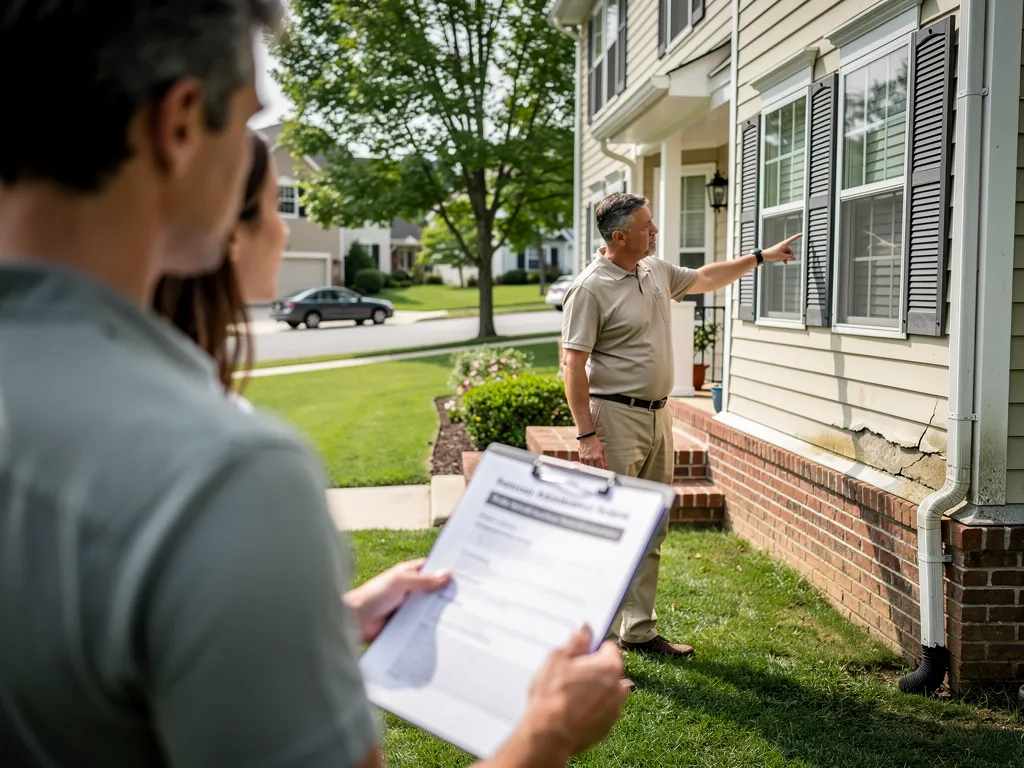
Bring maintenance records, past inspection reports, and seller disclosures. Point out visible concerns so the inspector can examine them closely. If you're unfamiliar with local building practices, ask the inspector about regional issues they commonly see — a key part of buyers inspection virginia preparation.
Local inspectors and contractors can offer useful context on soil and drainage, common construction details, and typical local defects; consult them if you find red flags.
What Local Inspection Concerns Should Buyers Know?
Northern Virginia buyers should consider region-specific factors that affect condition and maintenance:
- Local Regulations: Check building codes, permit histories, and any local requirements that could affect repairs or improvements.
- Common Issues in the Area: Be aware of often-seen problems like foundation settling in certain soils or local pest pressures.
- Seasonal Considerations: Seasonal weather can reveal or worsen issues — verify drainage, roof condition, and insulation with changing seasons in mind.
Understanding these factors helps you prioritize what to investigate during the inspection. Familiarize yourself with defect disclosure expectations in Virginia, as case law has shaped buyer protections.
Virginia Homebuyer Protection & Defect Disclosure When purchasers moved into a house and discovered serious problems with the septic system, they refused to proceed with the contract. The vendors disputed the claim and the case highlights the seller’s duty to disclose significant defects. Protecting the Virginia Homebuyer: A Duty to Disclose Defects, 1987
What Are Common Home Inspection Issues Buyers Should Watch For?
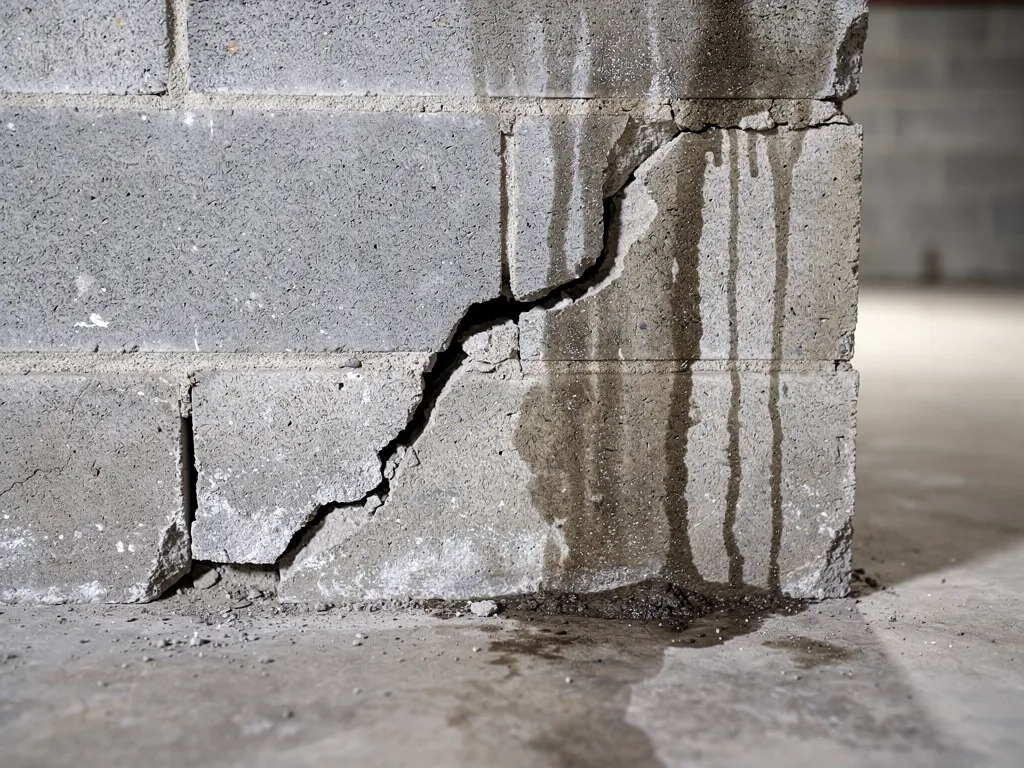
Inspectors commonly find recurring problems in several categories:
- Structural Problems: Signs of foundation settling such as cracks, uneven floors, or doors that won’t close properly.
- Electrical and Plumbing Concerns: Outdated wiring, leaky pipes, and installations that don’t meet current code.
- Safety Hazards: Mold, asbestos, or nonfunctional smoke and CO detectors that need prompt attention.
How to Identify Structural and Foundation Problems?
Early detection is important. Watch for:
- Signs of Foundation Settling: Vertical or stair-step cracks in masonry, gaps around openings, or noticeably sloping floors.
- Water Damage Indicators: Stains, efflorescence on basement walls, or persistent dampness indicating leaks or poor drainage.
These signs warrant further investigation before small issues become major repairs. A sound foundation is essential to a safe home.
Residential Building Foundation Failure & Inspection Foundations are among the structural elements most affected by damage. They connect the building to the soil and transfer loads from the structure into the ground. When foundations are damaged, overall stability is compromised, and in severe cases it can contribute to collapse. A case study of foundation failure of a residential building: From diagnosis to reparation, A Merah, 2021
What Are Typical Electrical and Plumbing Concerns?
Electrical and plumbing systems frequently cause problems. Common issues include:
- Outdated Wiring: Older wiring and panels may not meet safety standards or support modern loads.
- Leaky Pipes: Hidden leaks, corroded fittings, and poor drainage can lead to water damage and mold.
- Code Violations: Unpermitted work or noncompliant installations can require costly corrections.
These issues help determine whether to request repairs, credits, or specialist follow-ups.
What Are the Next Steps After a Home Inspection?

After the inspection, review the report, prioritize issues, and begin negotiations using documented findings. For major concerns, schedule follow-up inspections with specialists to obtain firm estimates.
How to Interpret Inspection Reports and Negotiate Repairs?
Use a simple approach:
- Review Findings: Identify safety issues, major defects, and items affecting habitability.
- Prioritize Issues: Separate urgent safety or structural items from cosmetic or routine maintenance.
- Draft Repair Requests: Use inspector notes and photos to request specific repairs, a credit, or a price adjustment.
Clear, factual organization helps you negotiate more effectively, and working with a dedicated buyer's agent can strengthen your position when requesting repairs or credits.
When and How to Schedule Follow-Up Inspections or Consultations?
Schedule follow-ups promptly when complex or expensive problems appear. Key points:
- When to Schedule Follow-Ups: Arrange them quickly so estimates are available before closing.
- Choosing the Right Professionals: Hire licensed contractors or specialists experienced with the specific issue.
- Preparing for Consultations: Bring the inspection report, photos, and a list of questions to get accurate scope and cost estimates.
Prompt follow-ups let you negotiate from a position of knowledge and avoid last-minute surprises.
Frequently Asked Questions
1. How much does a home inspection typically cost in Northern Virginia?
The cost of a home inspection in Northern Virginia can vary widely based on factors like the inspector's experience, the property's size, and location. On average, buyers can expect to pay between $300 and $600 for a standard inspection. Inspectors may add fees for additional services such as radon testing or termite inspections. It's advisable to get quotes from multiple inspectors and ensure they are licensed and experienced in local inspections.
2. Can I attend the home inspection, and should I?
Yes, buyers are encouraged to attend their home inspection. Being present allows you to ask questions in real time, gain insights about the home's condition, and understand any immediate concerns. This hands-on participation helps you learn about the property, its maintenance needs, and safety issues directly from the inspector. It's an excellent opportunity to get clarifications on specific points of concentration and any repairs needed.
3. What should I do if the inspection reveals major issues?
If the inspection uncovers major issues, first review the findings carefully. Determine the severity of the problems and whether they affect the home's habitability or your purchasing decision. You can negotiate with the seller for repairs, a price reduction, or a credit toward closing costs to cover the needed fixes. Engaging a contractor for a detailed estimate may strengthen your position during negotiations.
4. Are there specific inspection requirements for older homes?
Yes, older homes often have unique inspection requirements due to outdated systems and structures. Inspectors typically pay special attention to electrical systems, plumbing, and the foundation, as these areas can be more prone to issues. Additionally, components like lead paint or asbestos could be concerns in older homes. Engaging an inspector experienced with historic properties is essential to ensure a thorough assessment.
5. What role does a real estate agent play in the inspection process?
A real estate agent can significantly assist during the home inspection process. They can recommend reputable inspectors, help prepare your questions for the inspector, and offer advice on interpreting findings. Post-inspection, they can guide you through negotiation strategies based on the report's issues and support you in drafting repair requests or negotiating credits with the seller.
6. How long does a typical home inspection take?
A standard home inspection usually takes between 2 to 4 hours, depending on the property's size and complexity. Larger homes or those with extensive issues may require more time. Inspectors will assess various components, and thorough inspections take additional time to ensure every critical area is evaluated. Buyers should plan to spend this duration for an in-depth assessment of the property.
7. What if I find issues after moving into the home?
If serious issues are discovered after moving in, the first step is to review the inspection report. If problems were noted but not resolved prior to closing, you may have grounds for negotiating with the seller. In some cases, you might consider remedies through a home warranty if you purchased one, which can cover certain repairs. Consult with your real estate agent or an attorney to explore your options based on local disclosure laws.
Conclusion
A concise, locally informed inspection checklist gives Northern Virginia buyers confidence and negotiating power. Focus on major systems — plumbing, electrical, HVAC, roof, and foundation — document everything, and involve specialists when needed. Use the inspection report to negotiate fairly and protect your investment, and consult trusted local inspectors or contractors to move forward with clarity. Ready to get started? Schedule a buyer consultation with Eunice today.
About The Author
Eunice Johnson is a knowledgeable real estate professional associated with Homes365, specializing in the Northern Virginia housing market. With extensive experience helping homebuyers navigate inspection processes, Eunice provides practical advice and support tailored to local conditions and regulations. Her guidance empowers buyers to make informed decisions and protect their investments.
Contact Us
If you have questions about home inspections or the buying process in Sterling, VA and surrounding areas, please reach out to Eunice Johnson and the Homes365 team. We're here to help you every step of the way.
- 📞 Phone: (571) 261-7400
- ✉️ Email: [email protected]
- 📅 Consultation: Book a Meeting with Eunice
- 🌐 Website: homes365.biz
- Prefer to see a home in person? Schedule a tour with Eunice.
- Can't make it in person? Request a virtual visit and we'll walk you through it remotely.