FHA Loan, VA Loan, Conventional Loan & Jumbo Loan — A Practical Guide for Northern Virginia Homebuyers
Table of Contents
- What Is an FHA Loan?
- What Is a VA Loan?
- What Is a Conventional Loan?
- What Is a Jumbo Loan?
- Loan Requirements and Eligibility Criteria
- FHA vs VA vs Conventional vs Jumbo: Side-by-Side Comparison
- Which Loan Type Is Right for You?
- Frequently Asked Questions (FAQ)
FHA Loan, VA Loan, Conventional Loan & Jumbo Loan — A Practical Guide for Northern Virginia Homebuyers
By Eunice Johnson, Homes365
Choosing how to finance a home in Northern Virginia can feel overwhelming, especially with the region’s diverse housing markets across Fairfax County, Loudoun County, Arlington, and Alexandria. This guide is designed to help Northern Virginia homebuyers compare FHA loan vs conventional loan options, understand VA loan requirements, and navigate jumbo loan limits in Virginia. We’ll explore who each loan type benefits, the key eligibility criteria including credit score requirements and down payment options, and the main trade-offs to consider in this high-cost real estate market, empowering you to select the right financing for your unique situation. For a complete breakdown of financing strategies and loan options, check out the Northern Virginia financing solutions and mortgage options guide.
What Is an FHA Loan?
The Federal Housing Administration (FHA) backs FHA loans, which are government-backed mortgages aimed at expanding access to homeownership. They typically require smaller down payments and allow lower credit scores than conventional loans, making them a practical choice for many first-time or moderate-income buyers in competitive Northern Virginia markets such as Fairfax County and Loudoun County.
What Is a VA Loan?

VA loans are backed by the Department of Veterans Affairs (VA) and provide valuable benefits for veterans, active-duty service members, and some National Guard and Reserve members. These loans are designed to lower barriers to buying a primary residence by eliminating the down payment and private mortgage insurance (PMI) in many cases, while offering competitive interest rates. This is especially beneficial in Northern Virginia’s high-cost housing markets, including Arlington and Alexandria.
What Is a Conventional Loan?
Conventional loans are not government-backed and usually favor borrowers with stronger credit and financial profiles. They can offer very competitive interest rates for those who qualify but often require larger down payments and higher credit scores than FHA or VA loans. In Northern Virginia markets such as Fairfax and Arlington, conventional loans are popular among buyers with solid credit histories.
What Is a Jumbo Loan?
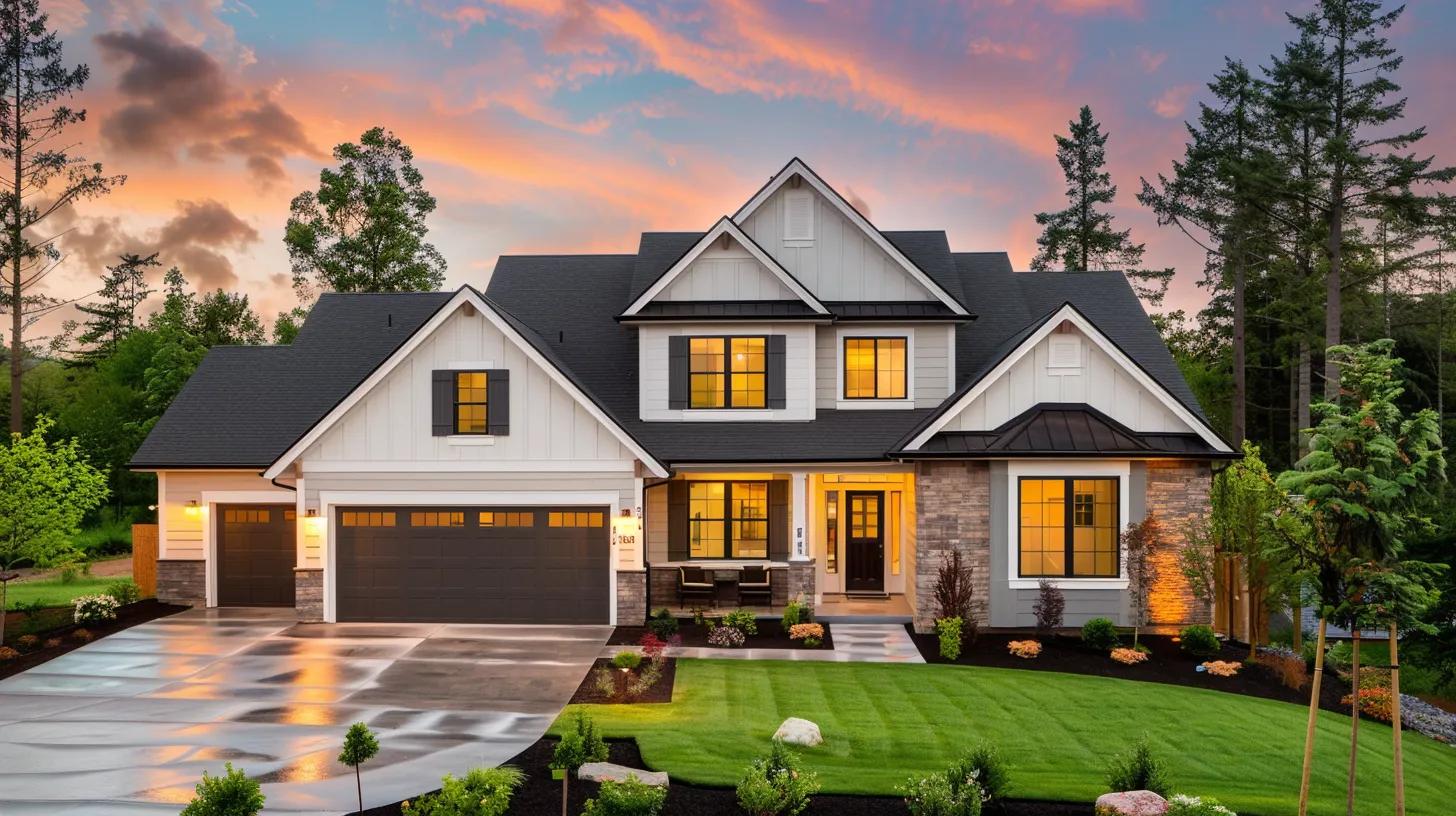
Jumbo loans finance amounts above the conforming loan limit set by entities like Fannie Mae and Freddie Mac. For 2026, the conforming loan limit in Northern Virginia is $806,500, reflecting the region’s high median home prices in areas like Loudoun County and Alexandria. Because these loans aren’t purchaseable by Fannie Mae or Freddie Mac, lenders typically set stricter credit and documentation standards and may charge higher interest rates. They’re intended for buyers of higher-priced homes.
What Are the Loan Requirements and Eligibility Criteria?
Who Qualifies for an FHA Loan in Northern Virginia?
To qualify for an FHA loan in Northern Virginia, borrowers generally must meet these criteria:
- Minimum Credit Score Requirement: A credit score of at least 580 is usually required for the 3.5% down payment option; scores from 500–579 may qualify with a 10% down payment.
- Income Requirements and Debt-to-Income Ratio: You must demonstrate steady income and maintain a debt-to-income ratio typically not exceeding about 43%.
- Property Standards: The home must meet FHA safety and habitability standards, including passing an appraisal.
What Are the Down Payment and Credit Score Criteria for FHA Loans?
FHA loans are popular because they lower the upfront cost of buying. Typical down payment options include:
- 3.5% for borrowers with credit scores of 580 or higher.
- 10% for borrowers with scores between 500 and 579.
These flexible down payment and credit options make FHA financing approachable for many buyers in Northern Virginia, where median home prices in areas like Arlington and Alexandria can push buyers toward higher loan amounts.
What Are the Eligibility Criteria for VA Loans?
To qualify for a VA loan, veterans typically need to satisfy these requirements:
- Service Requirements: Minimum service time applies—commonly 90 days of active duty in wartime or 181 days in peacetime, depending on circumstances.
- Credit Score Considerations: The VA itself doesn’t set a firm minimum, but most lenders prefer scores around 620 or higher.
- Property Eligibility: The home must be the veteran’s primary residence.
- Certificate of Eligibility: Veterans must obtain a certificate of eligibility to prove entitlement to VA loan benefits.
How Do VA Loans Compare to Other Loan Types for Veterans?
VA loans offer several key advantages over conventional and FHA loans:
- No Down Payment: Many veterans can buy with no down payment, improving affordability.
- No PMI: VA loans typically don’t require private mortgage insurance (PMI), lowering monthly costs.
- Competitive Interest Rates: VA-backed loans often carry lower rates than other options.
- Funding Fee: Instead of PMI, VA loans charge a one-time funding fee, which can be financed into the loan amount.
Research shows that removing the down payment hurdle can significantly increase veterans’ access to homeownership, which is crucial in Northern Virginia’s competitive real estate environment.
How VA Down Payment Rules Affect Homeownership
Evidence indicates that reducing down payment requirements raised homeownership more than changes in relative housing costs, suggesting mortgage subsidies like the VA benefit shaped housing decisions.
Mortgage subsidies, homeownership, and marriage:
Effects of the VA loan program, JS Ricks, 2021
What Are the Down Payment Requirements for Conventional Loans?
Conventional loans require down payments that depend on the lender and your financial picture. Common scenarios include:
- 3% to 5% for many first-time buyers with qualifying credit and financials.
- 20% to avoid PMI and secure the best terms.
These options let borrowers choose a path that fits their savings and long-term goals, which is important in Northern Virginia where home prices can vary widely.
What Are the Credit Score Requirements for Conventional Loans?
Conventional lenders typically look for a minimum credit score of about 620. Higher scores usually translate to better interest rates and loan terms. Lenders also weigh factors like debt-to-income ratio and employment stability.
Studies of credit-scoring practices clarify how score ranges influence access and pricing within the conventional market.
Credit Scoring in the Conventional Mortgage Market
Research finds that credit score ranges affect loan availability and pricing: borrowers in lower ranges face tighter constraints, while high-score applicants typically encounter fewer barriers.
Credit Scoring and Loan Scoring, 1999
Who Qualifies for Jumbo Loans in Northern Virginia?
Typical jumbo loan requirements include:
- Income Requirements: Clear evidence of high, stable income and often documentation of significant assets.
- Credit Score Considerations: Lenders commonly prefer a credit score of 700 or above.
- Down Payment: Many lenders expect a down payment of 20% or more.
How Do Jumbo Loan Interest Rates and Limits Affect Borrowers?
Jumbo loan rates can be higher than conforming rates because of added lender risk. Local conforming loan limits and loan-to-value ratios also influence pricing, so Northern Virginia buyers should weigh monthly payments and total cost carefully before choosing a jumbo loan.
Analysis shows jumbo loans typically carry a modest rate premium and that loan-to-value (LTV) ratios play a larger role in jumbo pricing than in conforming loans.
Jumbo vs. Conforming Loans — Rate and LTV Differences
Historical studies estimate a small interest-rate premium for larger (non-conforming) loans—roughly 19–22 basis points in past periods—and show that loan-to-value ratios affect jumbo rates more strongly than conforming ones.
A reconsideration of the jumbo/non-jumbo mortgage rate differential, 2002
FHA vs VA vs Conventional vs Jumbo: Side-by-Side Comparison
To help Northern Virginia homebuyers clearly see the differences and similarities among FHA loan, VA loan, Conventional loan, and Jumbo loan, the following side-by-side comparison highlights key factors such as down payment requirements, credit score thresholds, mortgage insurance premium, loan limits for 2026, and the best fit for various buyer profiles. This overview supports informed decision-making tailored to the unique characteristics of Northern Virginia’s housing market.
Which Loan Type Is Right for You?
Choosing the right loan depends on your financial profile, home price, and long-term goals. Consider these factors:
- FHA loans are ideal for first-time homebuyers or those with lower credit scores and limited savings for a down payment.
- VA loans offer the best benefits for eligible veterans and active-duty service members seeking to buy a primary residence with no down payment and no PMI.
- Conventional loans suit buyers with strong credit and stable income who can afford a larger down payment and want competitive rates.
- Jumbo loans are necessary for financing homes priced above the conforming loan limit, typically requiring higher credit scores and larger down payments.
Consulting a loan officer or mortgage broker can help you get pre-approval, understand closing costs, and navigate the underwriting and appraisal process.
Frequently Asked Questions (FAQ)
Which loan type has the lowest down payment?
The VA loan offers the lowest down payment requirement, often allowing eligible veterans to purchase a home with 0% down. The FHA loan also offers low down payment options starting at 3.5% for borrowers with credit scores of 580 or higher.
Can I use a VA loan more than once?
Yes, eligible veterans can use their VA loan benefit multiple times, provided they meet the Department of Veterans Affairs eligibility requirements and have sufficient entitlement available.
What credit score do I need for a conventional loan?
Most lenders require a minimum credit score of around 620 for a conventional loan. Higher scores typically qualify for better interest rates and loan terms.
What is the jumbo loan limit in 2026?
For 2026, the conforming loan limit in Northern Virginia is $806,500. Loans exceeding this amount are considered jumbo loans and typically require higher credit scores and larger down payments.
Conclusion
Understanding the differences between FHA loan, VA loan, Conventional loan, and Jumbo loan helps Northern Virginia buyers align their financing choices with their goals. Whether minimizing a down payment, avoiding PMI, or financing a higher-priced home, each loan type serves distinct needs. Review your financial picture, compare terms, and use these insights to choose the loan that fits your situation. Start your path to homeownership by exploring our resources and comparing your options. For a complete breakdown of financing strategies and loan options, check out the Northern Virginia financing solutions and mortgage options guide.
For a comprehensive breakdown of loan limits, lender programs, and local financing strategies, explore our complete mortgage options and financing guide for Northern Virginia buyers.
To learn more about local loan programs and regional lending strategies, check out our Mortgage Options & Financing Guide for Northern Virginia Buyers.
About The Author
Eunice Johnson is a seasoned real estate professional with Homes365, specializing in helping Northern Virginia homebuyers navigate the complexities of mortgage financing. With extensive knowledge of FHA loans, VA loans, Conventional loans, and Jumbo loans, Eunice is dedicated to empowering clients with clear, practical advice to make informed decisions. Her commitment to personalized service and deep understanding of the local market make her a trusted guide for first-time buyers and seasoned homeowners alike.
Contact Us
Have questions or ready to start your homebuying journey? Reach out to Eunice Johnson and the Homes365 team for expert guidance tailored to your needs.
- Phone: (571) 261-7400
- Email: [email protected]
- Book a Meeting: Schedule a consultation online