Open House Best Practices Northern Virginia
Open House Best Practices Northern Virginia
By Homes365 by Eunice Johnson Editorial Team · Updated 2026-08-10
Safe open houses require agents to sign in every visitor, share a personal safety strategy with a colleague beforehand, and remove valuables from the property, per National Association of Realtors guidance. Agents should keep exits accessible, position themselves near doors, avoid walking backward in unfamiliar rooms, and trust instincts when something feels wrong.
Key Takeaways
- Multiple adults or staff present at open houses effectively manage events and maintain property control.
- The National Association of Realtors provides comprehensive guidance for real estate professionals conducting safe property showings.
- Establish visitor limits for high-traffic properties to reduce security risks during open house events.
- Real estate professionals working alone face unpredictable environments that require specific safety protocols and precautions.
What Do You Need Before Hosting An Open House?
<
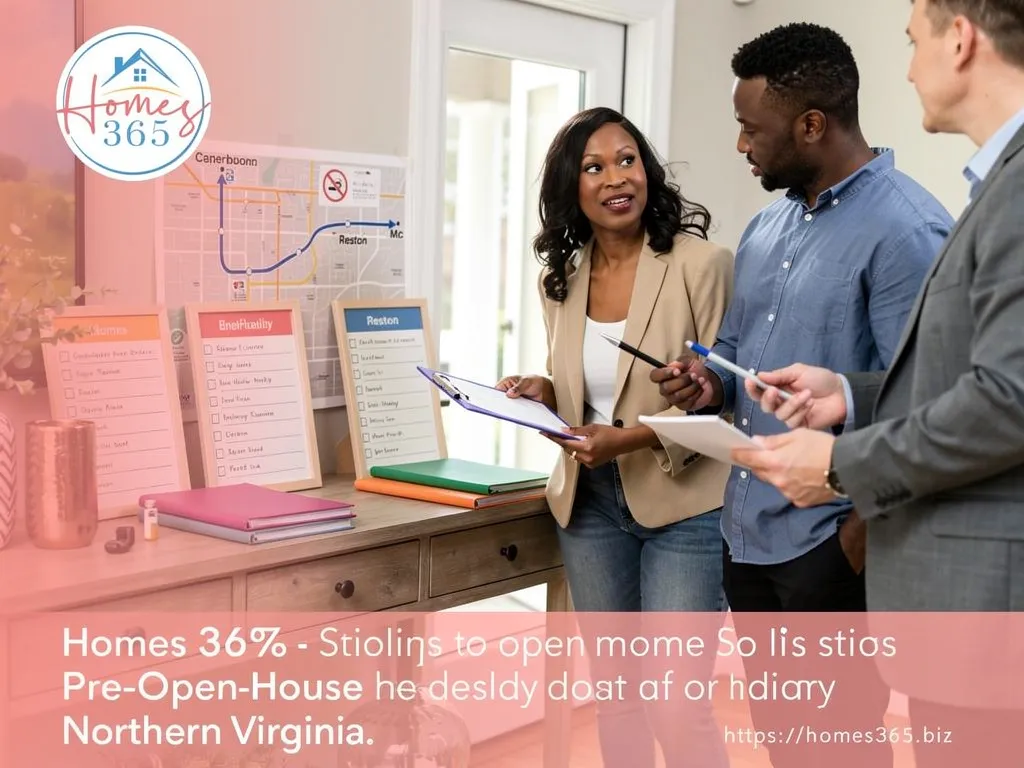
Preparation determines whether an open house runs smoothly or turns into a liability. Agents in Sterling and across Northern Virginia face unique challenges. A checklist should be tailored to each listing's specific needs: neighborhoods, commute patterns, and buyer traffic vary block by block. Homes365 by Eunice Johnson, headquartered in Sterling, VA, builds every showing plan around that local terrain. Timing an event around commute windows in Ashburn, McLean, or Reston changes the whole setup.
Following sound open-house-best-practices-northern-virginia starts with a documented plan, not a mental checklist. Homes365's mission centers on simplifying the real estate process through honest guidance and expert strategy. That philosophy applies well before the first guest walks through the door. Agents who prepare thoroughly protect both the seller's property and their own safety.
Before opening the doors, complete these steps in order:
- Confirm the seller has secured or removed valuables and personal documents.
- Photograph each room to document the property's condition beforehand.
- Share the showing schedule and address with a colleague or office manager.
- Assign a team member to greet guests and monitor entry.
- Set up a sign-in sheet to track every visitor who enters.
Conducting an open house poses additional risks to brokers and sellers. A property filled with strangers exposes both the home and the agent working alone to unpredictable situations. Taking precautions early keeps successful-open-house-tips grounded in real protection, not guesswork.
Why does open house preparation matter so much?
Preparation matters because it shifts an open house from an unmonitored risk into a controlled event. Brokers who skip planning leave the client's property, and their own safety, exposed to strangers moving freely through the home. Prioritizing host-open-house-safety from the earliest planning stage protects everyone who walks through the door, seller and agent alike.
How Do You Build A Personal Safety Plan?
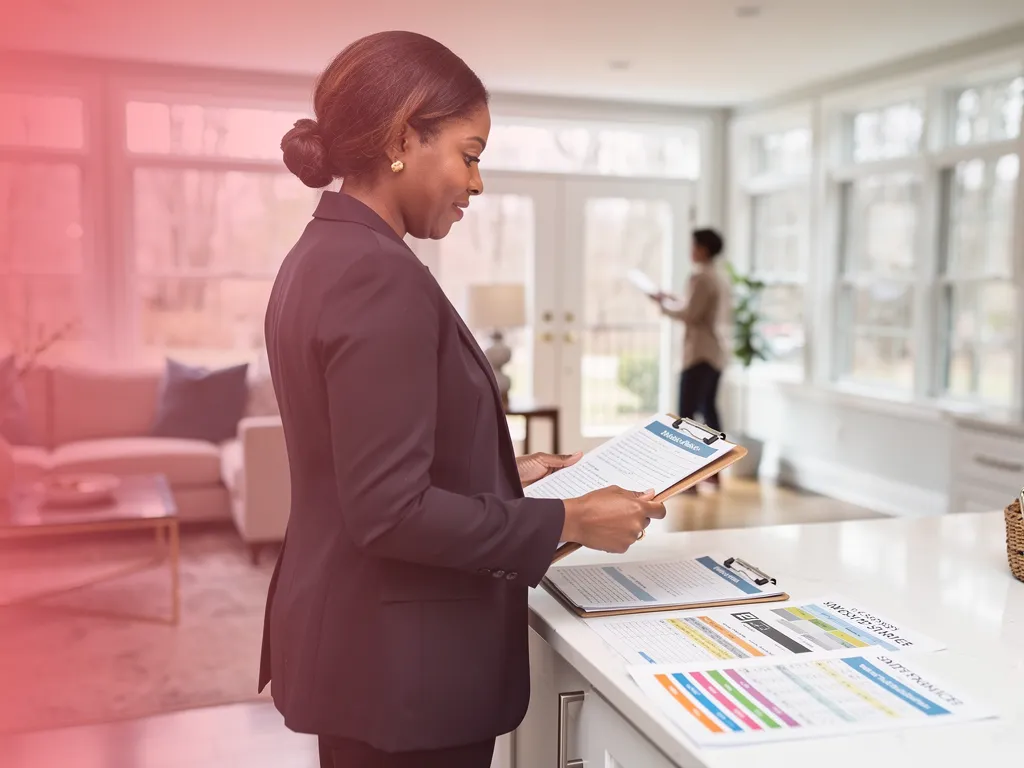
A personal safety plan starts with a written protocol, not a mental checklist. Agents who skip this step leave themselves exposed during unpredictable moments with unknown visitors in an empty house. Building open-house best practices for Northern Virginia properties means treating safety planning as a professional priority. The same way trusted local teams treat client relationships as a foundation of the business. Following a clear system, rather than winging it, protects agents and the sellers who trust them with their homes.
What belongs in a written safety plan?
A solid plan covers three things: who to contact. To meet, and how to verify a client's identity before a private showing. Agents build this plan once and reuse it for every listing.
- Meet new or unfamiliar clients in a neutral, public spot first. An office or coffee shop works well before ever heading to a property together.
- Share the day's schedule with a colleague or assistant. Someone outside the showing should always know the agent's location and expected timeline.
- Set a check-in system. A quick text or call at set intervals confirms the agent is safe throughout the appointment.
- Confirm the plan before every single showing. Consistency matters more than memory — habits protect agents better than good intentions.
Why does professionalism matter here?
Safety planning reflects the same honesty, care, and professional excellence that strong client relationships depend on. A team known for guiding clients with confidence and clarity should apply that same discipline internally. Agents who treat their own protocol seriously send a message: preparation and integrity go hand in hand, long before a single visitor walks through the door.
How Do You Prep The Property For Safety?
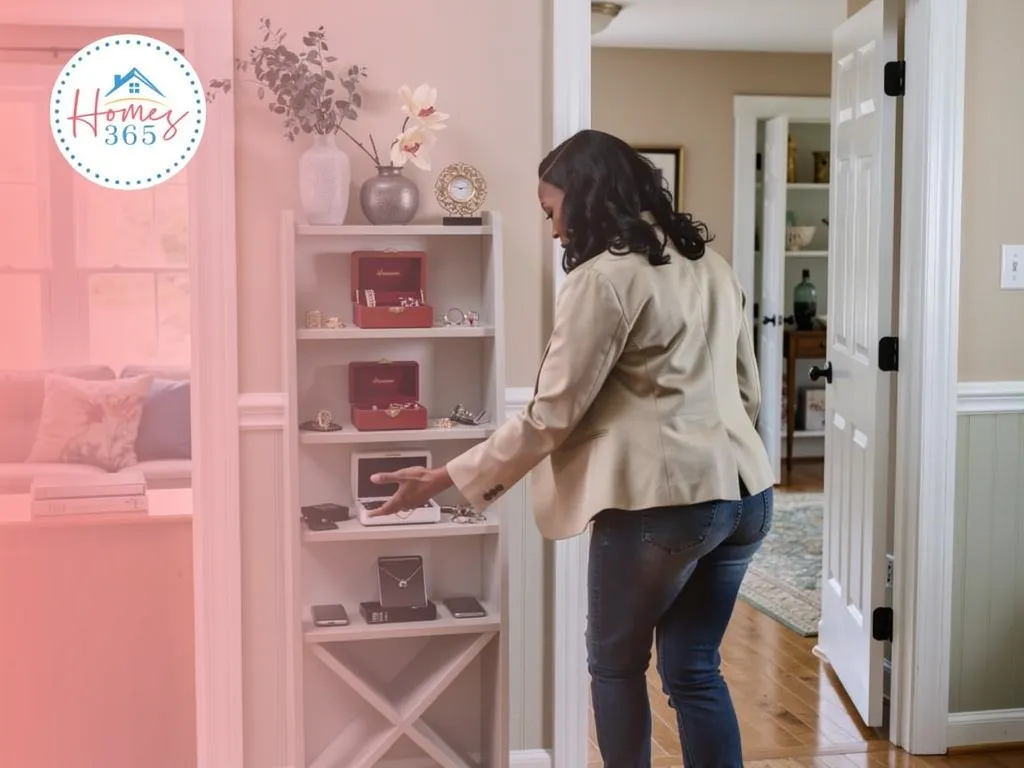
Property preparation starts well before the first guest arrives. A secure showing depends on planning, not luck. Skip the groundwork and an agent risks theft, liability claims, or a chaotic afternoon. Solid open house best practices for Northern Virginia listings protect both the seller's belongings and the agent's reputation.
Before scheduling anyone through the door, agents need two things settled: a walkthrough of the home alone, and a clear list of which valuables the seller has already secured. With that groundwork in place, follow these steps in order:
- Remove or lock away jewelry, prescription medications, and personal documents with the seller's cooperation.
- Test any existing security system already installed in the home.
- Add cameras or panic buttons in homes without existing monitoring, a small investment that keeps control and safety front and center throughout the event.
- Walk each room checking for loose rugs, dim stairwells, or blocked exits.
- Stage the property with the same precision condo specialists apply to every transaction — thoughtful staging keeps foot traffic predictable and guests moving through logical paths.
- Set up a sign-in station near the main entrance, visible from wherever staff will be stationed.
- Brief every assisting team member on their zone assignment before doors open.
What should agents check right before doors open?
Confirm every exit stays unlocked from the inside for emergency egress. Double-check that valuables noted during the initial walkthrough remain out of sight. Test cameras or panic buttons one final time. This last pass turns host open house safety from a checklist into muscle memory.
Homes365 walks clients through every stage of a purchase, from pre-approval to closing, so nothing catches them off guard. The same mindset agents should bring to prepping a listing. Treat property prep as the foundation for successful open house tips, not an afterthought squeezed in before guests arrive.
How Do You Manage Visitor Sign-In And Entry?

Managing entry starts with a documented checkpoint, not an open front door. A sign-in table near the entrance gives agents control over traffic and a paper trail if questions arise later. Skipping this step leaves brokers guessing about who walked through a listed home, which creates real liability for both agent and seller.
Following consistent open-house best practices for Northern Virginia matters most in high-traffic markets like Sterling, Ashburn, and Reston. Multiple listings often draw visitors on the same weekend. Agents working across these communities benefit from applying the same entry protocol at every showing. No property gets treated as an exception. Consistency builds a habit that protects agents even on busy, distracted days.
What Should A Visitor Sign-In Sheet Include?
A sign-in sheet works only when it captures enough detail to identify someone later. Require full name, home address, phone number, a form of ID, and email address before allowing anyone past the entryway. This single step forms the backbone of host open house safety. Gives agents a real record instead of a vague memory of "a few people came through."
How Do Agents Turn Sign-In Data Into A Safer Showing?
Collecting names means little without a plan to use them. Agents can follow a simple sequence:
- Greet each visitor at the door before they enter any room.
- Request ID and confirm it matches the name written on the sheet.
- Log contact details completely — no blank fields.
- Cross-reference visitor information against known clients when representing a buyer.
That last step matters for successful open-house tips overall. Buying agents already track who's interested in a shortlisted property to negotiate effectively later. A complete sign-in sheet feeds directly into that follow-up work rather than sitting unused after the open house ends.
How Do You Staff And Monitor The Event?
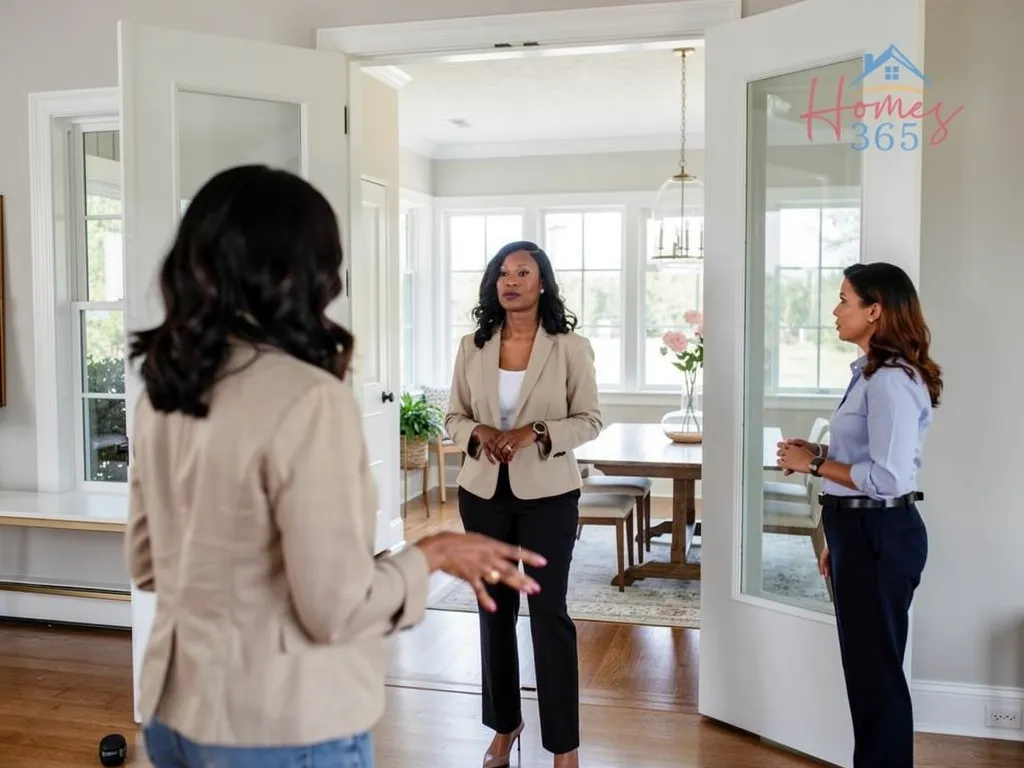
Staffing an open house starts with assigning clear roles before the first guest walks through the door. A lone agent working solo struggles to greet visitors, watch every room, and field questions all at once. And that gap is exactly when valuables go missing or liability risks creep in.
Bringing on extra hands changes the equation. Multiple adults or staff members on-site manage the flow of an open house far more effectively than one person working alone, especially in high-traffic listings where dozens of visitors move through in a single afternoon.
Team size doesn't have to be large to make a real difference. Homes365 by Eunice Johnson runs on a two-person team, proof that even a small staff can divide coverage and monitoring duties smartly during a showing. Brokers and team leaders can apply the same logic: pair up, assign zones, and never leave a property unwatched.
What roles need to be covered during a showing?
Solid open-house best practices for Northern Virginia listings call for at least two defined roles: a greeter who manages entry and sign-ins, and a monitor who walks the property keeping eyes on high-value rooms. Larger listings or luxury homes benefit from a third person stationed near exits.
Follow this sequence to set up coverage before doors open:
- Assign one team member to the entry point to greet guests and manage sign-in.
- Station a second team member inside to monitor bedrooms, offices, and valuables.
- Rotate positions every 30 to 45 minutes to keep attention sharp.
- Keep a clear sightline between staff members at all times.
Why does adequate staffing matter for client trust?
Host open house safety protocols do more than protect property — they protect the client relationship. Homes365 envisions real estate as a clear, confident journey rather than a stressful one, a standard built partly on staffing every open house properly. When agents apply successful open-house tips like these, sellers gain real confidence that their home, and their agent, are in capable hands.
How Do You Protect The Seller's Valuables?
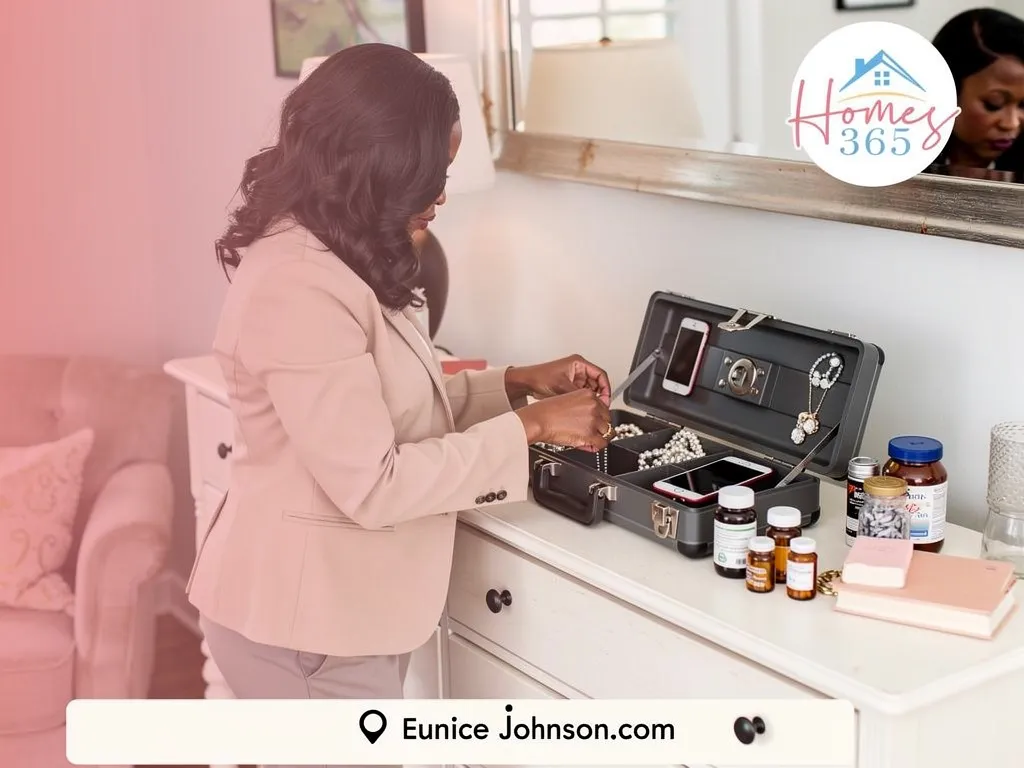
Protecting a seller's valuables starts with a walkthrough well before the first guest arrives. Thieves treat crowded showings as prime opportunity. A busy open house makes it hard for even an attentive agent to watch every visitor at once. Agents who skip this step risk losing jewelry, prescription medications, small electronics, and documents that guests can pocket in seconds.
Buying a first home ranks among the biggest decisions a client makes. Agents guide buyers through pre-approval, inspections, and closing so nothing catches them off guard. That same level of care belongs on the seller's side too. Property protection deserves the same discipline agents already bring to contracts and negotiations.
Successful open house tips for securing valuables follow a clear sequence:
- Walk every room with the seller beforehand and create a checklist of items to remove.
- Ask sellers to lock away jewelry, cash, firearms, and prescription medications off-site if possible.
- Store small electronics, laptops, and tablets in a locked closet or safe.
- Photograph any remaining high-value items left visible, in case a dispute arises later.
- Brief any assisting staff on which rooms to monitor most closely.
What about condo open houses specifically?
Condos bring their own wrinkles, since unique building rules, HOA fees, and shared-space arrangements change how property gets exposed. Agents should walk shared hallways, storage units, and lobbies with the same scrutiny they give the unit itself. Coordinating with building management ahead of time closes gaps that a single-family walkthrough wouldn't catch.
Following open house best practices in Northern Virginia means treating valuables protection as a non-negotiable prep step, not an afterthought squeezed in before guests arrive.
Hosting Success Starts with an Accurate Real Estate Valuation
Before scheduling an open house, sellers should work with their agent to obtain an accurate and comprehensive real estate valuation. Pricing the property correctly is crucial to attract qualified buyers and generate genuine interest. An attractive price point ensures your home stands out in the competitive Northern Virginia market, setting the stage for a successful open house and timely sale. Accurate valuation incorporates current market trends, neighborhood benchmarks, and the unique features of your property, providing a solid foundation for strategic marketing and effective buyer engagement.
What Should You Do During And After Showings?
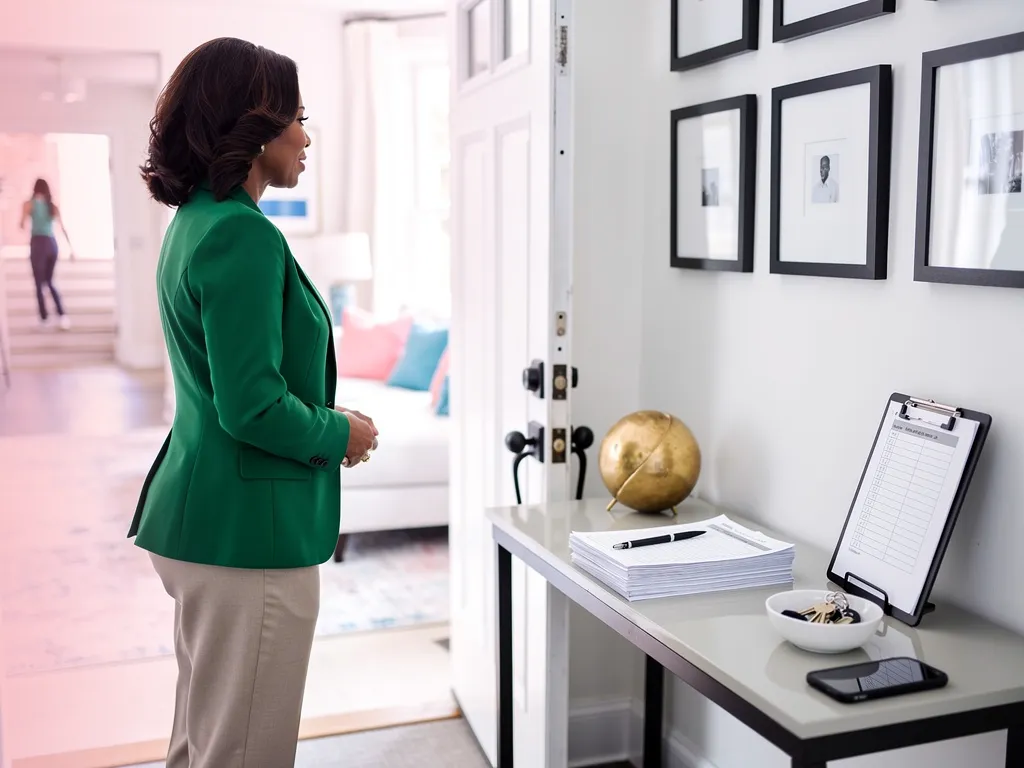
Successful showings require agents to stay alert, engaged, and organized from the first knock to the final follow-up call. Skipping structure during this window costs listing agents real leads and, worse, creates safety gaps that put both agent and property at risk. A checklist mindset keeps both goals — security and sales — moving together.
During the event, agents should follow a few core actions in order:
- Confirm the schedule was shared with a colleague, assistant, or trusted contact before doors open, and arrange check-in calls or alerts at set intervals.
- Verify that a cell phone carries full battery and strong service before greeting the first guest.
- Log each visitor at entry and note where they came from — online listing, yard sign, or referral.
- Walk the property periodically rather than staying stationed in one room, keeping sightlines on high-traffic areas.
- Flag any guest behavior that feels off and contact the pre-arranged check-in person immediately.
How should agents follow up after an open house ends?
Follow-up works best when it starts warm and stays informative. Since moving to a new area feels exciting. Stressful for most buyers, a caring check-in call or message the same evening builds trust fast. Agents can use that follow-up conversation to walk serious prospects through neighborhood comparisons, school ratings, nearby amenities, and realistic commute times. Details that turn a casual visitor into a motivated buyer. This kind of northern virginia open house best practices approach treats every guest list as a relationship, not just a lead sheet.
Documenting attendance also matters long after the last guest leaves. Agents who apply solid successful open house tips, paired with consistent open house safety habits like scheduled check-ins, protect themselves while building a pipeline that pays off for months.
What Mistakes Undermine Open House Safety?
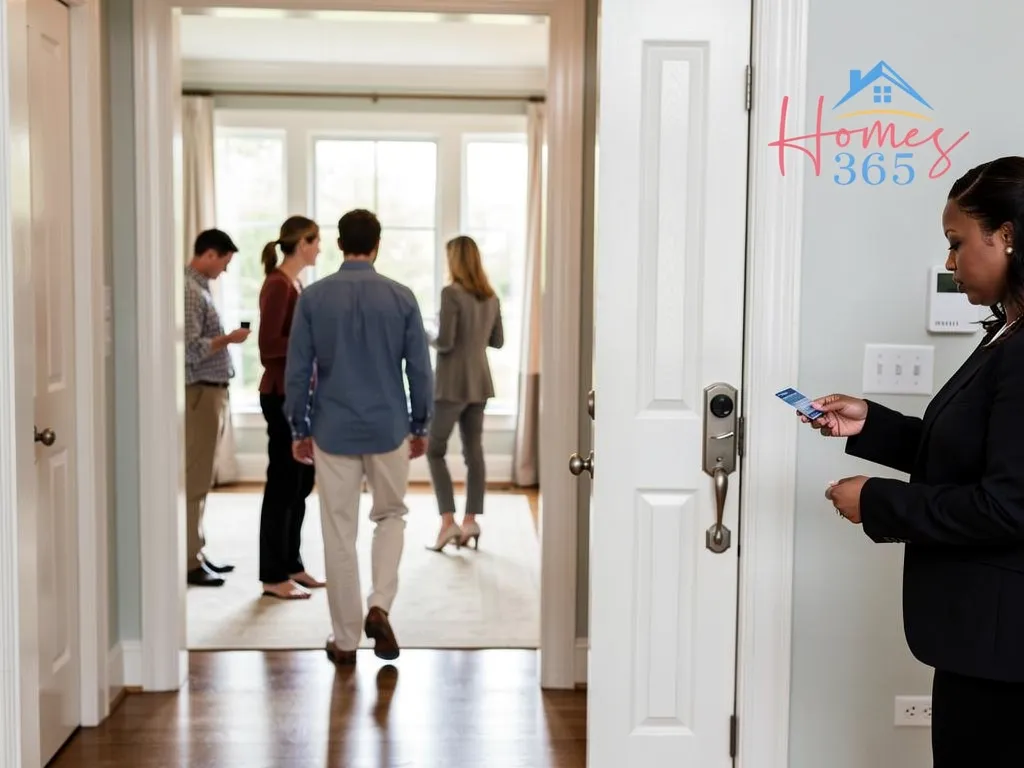
Skipping verification steps ranks as the top mistake agents make when hosting an open house. Letting strangers wander unsupervised through a listing runs a close second. Both errors chip away at the trust that defines a real partnership between agent. Client during one of the biggest transactions of a homeowner's life.
Real cases prove the stakes are real, not theoretical. Law enforcement in Southern California arrested a man and a woman who posed as potential buyers. Used the open house format to distract agents while committing multiple thefts. That pattern — one person engaging the agent while an accomplice roams unattended rooms. Remains a recurring threat whenever open house best practices for Northern Virginia agents get treated as optional rather than routine.
What are the most common open house safety errors?
Agents undermine host open house safety in a few predictable ways:
- Failing to require visitor sign-in with a name, phone number, and ID.
- Working solo with no second team member to monitor entrances or trailing visitors.
- Leaving multiple rooms unattended at once, especially upper floors and bedrooms.
- Skipping a pre-showing walkthrough to check exits, valuables, and sightlines.
- Ignoring gut instinct when a visitor's behavior feels off.
Why does trust suffer when safety gets skipped?
A single security lapse damages more than an agent's reputation in the moment. Homes365's stated vision centers on being the most trusted, people-centered real estate partner in Northern Virginia, and that standard erodes fast when clients sense their property or their agent wasn't protected. Sellers who feel exposed during an open house lose confidence in the broader relationship, even after the sale closes.
Building genuinely successful open house tips into daily practice protects both people and property — and keeps that trust intact.
Open houses are your chance to showcase your home's best self while keeping everyone safe and comfortable. By staying present, vetting visitors, securing valuables, and maintaining clear sightlines throughout your space, you're protecting what matters most—your home and your peace of mind. These practices aren't just about security; they're about creating a welcoming environment where genuine buyers feel confident exploring. Trust your instincts, stay engaged, and remember that a well-managed open house sets the tone for a successful sale.
FAQ
What steps should agents complete before an open house?
Agents confirm sellers secure or remove valuables, photograph each room, share the schedule with a colleague, assign a greeter, and set up a sign-in sheet. Completing these steps in order builds a documented plan instead of a mental checklist.
What safety measures protect agents during the showing itself?
Agents sign in every visitor, keep exits accessible, position themselves near doors, avoid walking backward in unfamiliar rooms, and trust their instincts. These practices, drawn from National Association of Realtors guidance, control the event rather than leaving it unmonitored.
Why does Homes365 tailor open house plans by neighborhood?
Homes365 by Eunice Johnson, headquartered in Sterling, VA, builds showing plans around local terrain since neighborhoods, commute patterns, and buyer traffic vary block by block. Timing events around commute windows in Ashburn, McLean, or Reston changes the entire setup.
About The Author
Eunice Johnson is a seasoned real estate professional and lead agent at Homes365, specializing in Northern Virginia residential sales. With over a decade of experience, she combines deep local market knowledge with a client-focused approach to guide buyers and sellers through every step of the process, from preparation to closing. Eunice is also a trusted resource for first-time buyers and sellers, offering practical guidance and insight into local market programs and strategies. Connect with Eunice to bring that same expertise and clear communication to your next open house or transaction.
Facts
- Homes365 by Eunice Johnson is located in Sterling, VA, US.
Contact Us
Have questions or ready to host a safer, more successful open house? Reach out to Eunice Johnson and the Homes365 team for expert guidance and support.
- Phone: (571) 261-7400
- Email: [email protected]
- Schedule a Meeting: Book a time on Eunice's calendar
Start Your Successful Open House with Professional Seller's Agent Services
Successful open houses in Northern Virginia begin with the expertise of a professional seller's agent who coordinates expert marketing strategies, accurate pricing, and effective buyer management. Partnering with a dedicated agent ensures your property stands out, attracts qualified buyers, and moves smoothly through the sales process. Contact Homes365 by Eunice Johnson today to elevate your open house experience and achieve the best results for your home sale.