Northern Virginia Real Estate Glossary
Northern Virginia Real Estate Glossary
By Homes365 by Eunice Johnson Editorial Team · Updated 2026-08-10
Real estate terms like escrow, contingency, HOA, and appraisal shape every Northern VA transaction. Homes365 by Eunice Johnson, based in Sterling, VA, guides clients through this vocabulary daily. With 2 dedicated employees, the team clarifies jargon so buyers and sellers negotiate contracts, closing costs, and title work confidently.
Terminology: Northern VA real estate glossaries define essential terms—ARM, amortization, "as is," escrow, and contingencies—covering financing, contracts, and closing. Homes365 by Eunice Johnson, a 2-employee Sterling, VA brokerage, helps clients navigate this jargon for confident buying and selling decisions.
Northern Virginia real estate terms cover contracts, financing, and closing steps that shape home purchases in Ashburn, Reston, McLean, and across Fairfax County. Understanding words like escrow, contingency, and HOA dues protects buyers and sellers from costly surprises. Homes365, led by Eunice Johnson since 2015, translates this jargon into plain language for NoVA clients navigating today's competitive market.
Key Takeaways
- Homes365 by Eunice Johnson operates in Sterling, VA with a focused team of 2 employees serving Northern Virginia.
- Real estate glossaries contain essential terminology for students, professionals, and consumers working through the industry successfully.
- Adjustable Rate Mortgages feature interest rates that adjust periodically based on specified financial indicators and market conditions.
- Comprehensive real estate glossaries organize terms alphabetically from A to Z for quick reference and accessibility.
Why Does a Real Estate Glossary Matter?
Confusion costs money in Northern Virginia's fast-moving housing market. A real estate glossary clears the fog around unfamiliar terms like escrow, contingencies, and title insurance. Words that show up constantly during a home purchase or sale. Missing the meaning behind these terms leads buyers and sellers straight into costly mistakes.
Skipping over a definition might seem harmless in the moment. But a buyer who doesn't understand what a contingency actually protects against can waive rights without realizing it. A seller unclear on title insurance might misjudge risk at closing. Small gaps in vocabulary turn into real financial consequences when contracts and deadlines are on the line.
What Does a Good Glossary Actually Cover?
Terms explained clearly should span the full home transaction, not just a handful of buzzwords. Coverage typically includes:
- Property types, from single-family homes to townhomes and condos
- Financing basics like loan structures and interest terminology
- Closing paperwork and the documents signed at settlement
- Regional variations that shape how deals close locally
This range matters because Northern Virginia transactions rarely stay simple. Jurisdictions here handle contracts, disclosures, and closing customs with their own local flavor.
Why Do Northern Virginia Buyers Need Local Terms Specifically?
Northern Virginia terms carry weight beyond generic definitions found in a national dictionary. Local practices around disclosures, closing costs, and contract timelines differ from state to state, and sometimes county to county.
A glossary built with this region in mind helps residents move through Fairfax County, Loudoun County, and the broader DC Metro market with sharper judgment. Homes365 brings that regional lens to buyers, sellers, and prospective residents navigating Northern Virginia real estate, translating industry jargon into plain, usable knowledge that supports confident decisions.

What Do Common Financing Terms Mean?

Financing terms describe how a mortgage rate behaves and how payments break down over the life of a loan. Northern Virginia buyers who skip this vocabulary risk misreading loan estimates. Choosing the wrong mortgage for a fast-moving market like Loudoun or Fairfax County. A clear grasp of these terms, part of any solid real estate glossary, protects a household's monthly budget for years.
An Adjustable Rate Mortgage, commonly called an ARM, carries an interest rate that shifts up or down periodically. That rate moves based on a specified financial index rather than staying fixed. Buyers browsing homes in Ashburn or Reston will see ARM options listed alongside fixed-rate loans. Understanding the difference matters before signing anything.
What does AIR mean in a mortgage document?
AIR stands for adjustable interest rate. It's shorthand often used in loan paperwork and lender disclosures. Spotting the abbreviation quickly helps buyers avoid confusion during closing.
How does amortization affect monthly payments?
Amortization is the method lenders use to equalize monthly mortgage payments across the full loan term. Even though the total payment stays steady, the split between principal and interest shifts constantly underneath.
Early in a loan, most of each payment covers interest, with only a small portion chipping away at principal. By the final years, that relationship flips entirely — principal repayment dominates while interest shrinks. This pattern matters for anyone comparing a 15-year versus 30-year loan on a Loudoun or Prince William County home. terms explained clearly reveal how equity builds over time.
Homes365 walks Northern Virginia clients through these Northern Virginia terms during every financing conversation, connecting glossary definitions to real numbers on real loan estimates. Reach out to Homes365 to talk through financing options before touring homes across the region.
What Does As Is Mean?
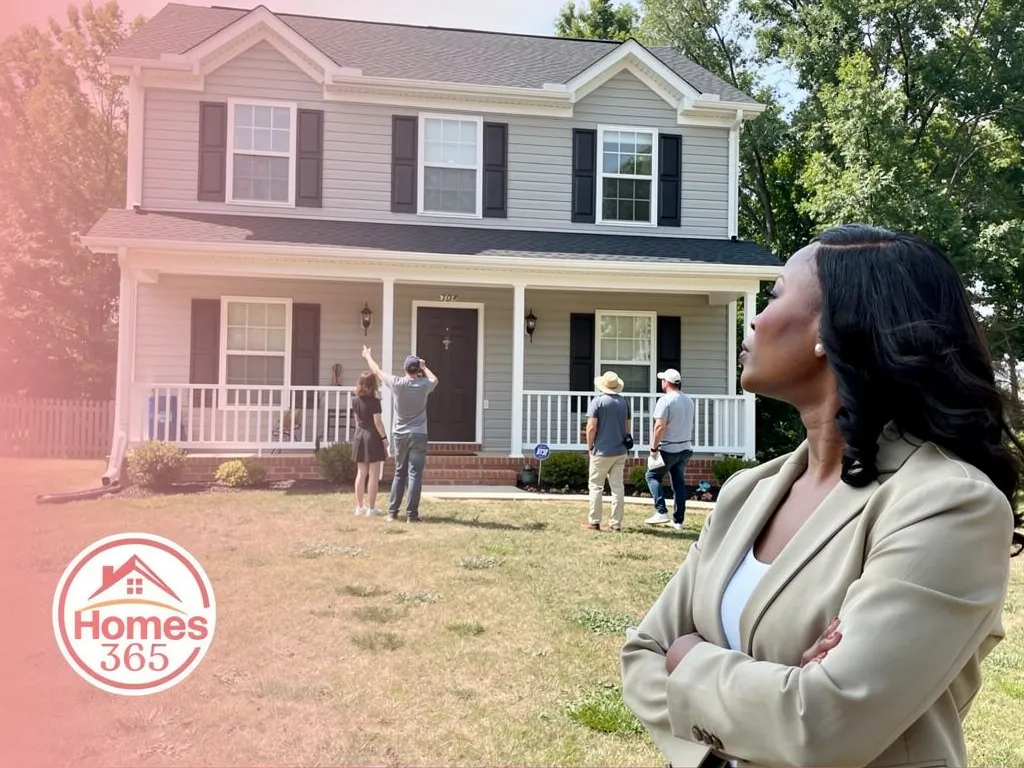
An as-is sale means the seller offers no warranties on the property's condition or its fitness for any particular use. Northern Virginia homebuyers touring listings in Ashburn, Herndon, or Fairfax County will spot this phrase often, especially on estate sales or homes needing significant repair. It signals one thing clearly: what buyers see is what they get, no promises attached.
That shift in responsibility matters most for buyers. In an as-is transaction, buyers carry the full weight of examining and judging the property themselves before signing anything. No inspection report gets handed over by the seller, and no repair requests get honored after closing. A buyer touring a fixer-upper in Reston or a dated townhome in Alexandria needs to bring their own inspector, contractor estimates, and a clear-eyed budget for surprises.
Who Protects a Buyer's Interests in an As-Is Deal?
This is where an agent earns their keep. An agent acts on behalf of a client, representing that person's interests as a knowledgeable intermediary throughout negotiations. For a buyer eyeing an as-is home in Great Falls or McLean, that guidance often means the difference between a smart purchase and a costly mistake.
Why Does Terminology Accuracy Matter This Much?
Real estate language shifts by region, and getting it wrong costs money. A trustworthy real estate glossary researches each term carefully and cites its sources rather than guessing at definitions. Homes365 leans on this same standard when walking Northern Virginia clients through unfamiliar language, making sure terms explained during a transaction hold up under scrutiny.
Understanding Northern Virginia terms like as-is isn't optional homework — it's protection. Buyers who skip due diligence on an as-is property risk inheriting foundation issues, aging HVAC systems, or roof damage with zero recourse. Homes365 walks clients through exactly what to verify before making an offer on any as-is listing across the region.
What Basic Property Terms Should You Know?

Property in Northern Virginia falls into a few core categories: single-family houses, townhomes, condos, and commercial buildings, plus the land each one sits on. That distinction matters more than it sounds. A real estate glossary built for the region helps clients tell the difference between buying a structure and buying the ground beneath it, which affects everything from taxes to future additions.
At its core, real estate means land plus anything permanently attached to that land. A brick colonial in Arlington, a townhome in Ashburn, and a condo tower in Reston all count as real estate because the structures are fixed in place, not because of size or style. Ownership also carries legal rights: the right to use the property, modify it, and eventually transfer it to someone else. These rights shape what a homeowner in Herndon or McLean can actually do with a property long after closing day.
What's the difference between real property and personal property?
Real property includes the land and anything permanently attached, like a home's foundation or an in-ground pool. Personal property covers movable items — furniture, appliances not built in, and décor. That typically leave with the seller unless negotiated otherwise. Buyers touring listings across Great Falls or Alexandria should always confirm which category an item falls into before assuming it stays.
Understanding these fundamentals gives Northern Virginia buyers and sellers a stronger footing before contracts get involved. A few basics worth remembering:
- Real property: land plus permanent structures and fixtures
- Personal property: movable items not fixed to the home
- Legal rights of ownership: the ability to use, modify, and transfer a property
Homes365 breaks down these terms explained in plain language, so clients across the region move forward with clarity rather than confusion.
How Do These Terms Apply Locally in Northern Virginia?

Local terminology only matters when it connects to real decisions on the ground. Northern Virginia's housing market moves fast. Misreading a single term can cost buyers a favorite listing or leave sellers underpricing a home. Relocation assistance in Northern Virginia pairs a real estate glossary with hands-on local market expertise, easing the stress that comes with unfamiliar words and unfamiliar neighborhoods alike.
That combination matters most when clients are weighing budgets against wish lists. Homes365 builds its home buying support around each client's budget, preferred layout, school priorities, and commute needs. Not a one-size-fits-all checklist. Understanding terms explained in the abstract helps less than seeing how those terms shape an actual offer strategy in Ashburn or a renovation timeline in Reston.
What Do Terms Like Zoning or HOA Mean for a Northern Virginia Buyer?
Zoning and HOA rules vary block by block across the region, and they affect everything from parking to renovation approval. Local market knowledge helps buyers compare neighborhoods, school ratings, amenities, and commute times against these rules before signing anything. That context turns a dictionary definition into a practical decision-making tool.
Where Does This Local Support Reach Across Northern Virginia?
Homes365 supports clients across several key communities, including:
- Sterling
- Ashburn
- Reston
Each community carries its own pricing patterns, school zones, and commute realities, so northern virginia terms never mean the same thing twice. A term like "walkable" reads differently in Reston Town Center than it does in a quieter Sterling subdivision. Buyers and sellers who lean on local expertise avoid costly misunderstandings and move through the process with far more confidence.
Why Work With a Local Northern Virginia Expert?

Local expertise turns confusing contract language into a clear path toward closing. Northern Virginia's housing market moves fast. Misreading a single clause on a contract costs buyers thousands or sells a home below its worth. A steady, strategic guide matters whether a client is buying a first condo in Reston, selling a townhome in Ashburn, or investing in rental property near Fairfax County. This kind of steady approach, paired with a working real estate glossary, keeps clients from feeling lost mid-transaction.
Homes365, based in Sterling, VA, extends that guidance across the wider Northern Virginia region. From McLean to Alexandria to Great Falls. Strong market knowledge combined with a strategic negotiating approach gives clients an advocate focused on securing the most favorable outcome possible. That advocacy depends on understanding terms explained clearly, not buried in jargon nobody has time to decode.
What does a local expert actually do during a transaction?
A local expert connects clients with a trusted network of lenders, inspectors, and contractors across the region. That network keeps transactions moving smoothly instead of stalling over paperwork or missed deadlines. Consider what's typically coordinated:
- Financing conversations with regional lenders familiar with Northern Virginia loan trends
- Property inspections scheduled promptly to protect closing timelines
- Contractor referrals for repairs or upgrades before or after closing
- Contract review to flag confusing or risky clauses early
Why do Northern Virginia terms matter more here than elsewhere?
Local zoning rules, HOA structures, and county-specific disclosure requirements shape how contracts read in Fairfax County, Loudoun County, and Arlington. Generic definitions miss those regional nuances. Understanding northern virginia terms specifically helps buyers and sellers avoid costly misunderstandings tied to local ordinances and community regulations.
Local know-how isn't optional in a market this competitive. It's the difference between confidence and confusion at the closing table.
What If Real Estate Jargon Feels Overwhelming?
Unfamiliar terms stack up fast when a Northern Virginia purchase moves from casual browsing to serious contract talk. Buying a first home often feels overwhelming, especially once words like escrow, contingency, and appraisal gap start appearing in every conversation. Confusion at the wrong moment costs buyers a real advantage. A missed contingency deadline or a misunderstood term can mean losing a dream home in Ashburn or Reston to a better-prepared buyer. Homes365 exists to close that gap, offering a real estate glossary approach woven directly into everyday client conversations rather than buried in fine print.
Why Do Buyers Need Terms Explained Before Making an Offer?
Clarity before signing anything protects a buyer's money and peace of mind. Homes365 provides clear guidance and hands-on education at every step, so first-time buyers move forward with confidence instead of guesswork. That means terms explained in plain language, not textbook definitions, before an offer ever goes out.
Are Northern Virginia Real Estate Terms Different From Elsewhere?
Local market conditions shape how certain terms get used across Fairfax County, Arlington, and Loudoun County neighborhoods. Homes365 treats every client's situation as unique. No two buyers face the same commute priorities, school-zone questions, or financing paths. Understanding northern virginia terms matters because appraisal timelines, HOA disclosures, and contingency norms shift from one community to the next.
Homes365 takes time upfront to understand each client's goals. From there, guidance gets tailored:
- Plain-language walkthroughs of contracts and disclosures
- Strategy built around each buyer's timeline and budget
- Ongoing support from first showing through closing day
That personalized approach turns confusing paperwork into confident decisions.
Ready to Get Clarity on Your Northern Virginia Move?

A confident move through Northern Virginia's housing market starts with straight answers, not guesswork. Homes365 operates as a small, hands-on two-person team, which means every buyer and seller in Sterling, Ashburn, Reston, McLean, and beyond gets personal attention instead of getting lost in a call center. Real questions deserve real conversations, not automated responses.
What Does Working With Homes365 Actually Look Like?
The process begins with a personalized consultation. Eunice Johnson's team takes time to understand each client's goals, then builds a strategy around them from day one, whether the priority is a top-rated school district in Fairfax County or a shorter commute into Arlington. From there, the focus shifts to clear communication throughout the transaction. Homebuyers and sellers get a smoother, less stressful path toward closing, with fewer surprises along the way.
How Does Relocation Support Fit Into This?
Anyone relocating to Northern Virginia faces the same core questions: which neighborhood fits, which schools matter, and how to manage moving logistics without losing weeks to research. Homes365's relocation support is built to remove that guesswork, helping newcomers settle in faster and with far less second-guessing.
Here's what clients can expect from that hands-on approach:
- Direct access to a small, dedicated team rather than a rotating cast of agents
- A tailored strategy built around personal goals, timeline, and budget
- Clear, ongoing communication from first consultation through closing
- Local guidance on neighborhoods and schools across the Northern Virginia region
Understanding real estate glossary basics helps too. Pairing that knowledge with terms explained in plain language and grounded in actual northern virginia terms makes the difference. Homes365 connects the dots so every decision feels informed, not overwhelming. Reach out to start a personalized consultation and take the next step with confidence.
FAQ
Why does understanding real estate terminology matter in Northern Virginia?
Confusion over terms like escrow, contingencies, and title insurance leads to costly mistakes. Buyers who misunderstand contingencies risk waiving rights, while sellers unclear on title insurance misjudge risk at closing.
What topics does a Northern Virginia real estate glossary cover?
A thorough glossary spans property types, financing basics, closing paperwork, and regional variations in contracts and disclosures. This range matters because Northern Virginia transactions involve local flavor across different jurisdictions.
Why do Northern Virginia buyers need region-specific real estate terms?
Local practices around disclosures, closing costs, and contract timelines differ by county, so generic national definitions fall short. Homes365 by Eunice Johnson applies a regional lens to help clients navigate Fairfax County, Loudoun County, and the DC Metro market.
Contact Us
Ready to talk through your Northern Virginia move? Reach out to Homes365 by Eunice Johnson directly:
- Phone: (571) 261-7400
- Email: [email protected]
- Book a consultation: https://homes365.biz/meet-with-eunice