Find Nearby Community Facilities: Parks, Shops & Local Amenities by Area
Find Nearby Community Facilities: Parks, Shops & Local Amenities by Area
By Eunice Johnson, Homes365
Having easy access to parks, shops and neighborhood services makes daily life simpler and helps you feel more connected where you live. This guide walks you through nearby public parks and recreation areas, local shopping centers and retail districts, and how to use neighborhood service guides to locate important amenities. With these insights you’ll be able to choose spots that enhance your routine, support active living, and strengthen community ties. We’ll also point out top outdoor venues for activities and events, so you know what your area offers.
Key Takeaways
- Nearby community facilities—parks, shops and amenities—make life more convenient and encourage neighborhood connection.
- Public parks commonly include family-friendly features like playgrounds, sports fields and accessible walking trails.
- Inclusive park design benefits everyone; involving children with disabilities helps create more usable, adaptable playgrounds.
- Close proximity to parks can raise property values and promote active, social lifestyles.
- Local shopping centers deliver everyday essentials: groceries, apparel, dining and services.
- Compact shopping districts boost walkability, lower traffic dependence and provide spaces for community events.
- Neighborhood service guides help residents locate libraries, community centers, clinics and other local resources.
- Good transportation links and pedestrian-friendly infrastructure make amenities easier to reach and support healthier habits.
- Interactive maps and user reviews are handy tools for discovering and choosing quality parks, shops and recreational spots.
What Public Parks and Recreational Spots Are Available in Your Neighborhood?
Parks and recreational sites are vital community assets: places to relax, exercise and meet neighbors. They typically offer playgrounds, sports fields and trails that add life to a neighborhood. Knowing the different types of parks and the features they offer helps you pick the best places for play, fitness and social time.
Which Parks Offer Family-Friendly Amenities and Accessibility Features?
Many parks are planned with families in mind and include:
- Playgrounds: Safe, engaging play spaces for children of different ages.
- Sports Fields: Areas for soccer, baseball and other team sports.
- Walking Trails: Paved or natural paths for walking, jogging and cycling.
Accessible features—like wheelchair-friendly paths and adaptive playground equipment—ensure people of all abilities can enjoy the outdoors. Designing with input from users with disabilities leads to more inclusive and flexible play spaces.
Research highlights the value of consulting physically disabled children when designing inclusive playground equipment to ensure real-world usability and broader benefits.
Designing Accessible & Inclusive Playground Equipment
This thesis explores accessibility and ability-based design in playgrounds using a participatory approach. It focuses on understanding the needs and experiences of physically disabled children and involving them in the co-design of playground equipment. The research shows how consultation and co-design can help identify user needs and guide the development of accessible, versatile play products that benefit the wider community.
Enabling play — Designing accessible playground equipment for and with children, 2015
How Do Local Parks Enhance Neighborhood Lifestyle and Property Value?
Parks contribute to healthier, more social neighborhoods by encouraging outdoor activity and gatherings. Studies show that properties near well-maintained parks often command higher prices, reflecting the value residents place on nearby green space. Beyond market effects, parks strengthen social ties by giving neighbors places to meet, play and host local events.
Additional research links walkable neighborhoods and their community facilities to increased property values and broader economic benefits.
Economic Value of Walkable Neighborhoods & Community Facilities
This study examines how walkability-related features of the built environment—such as density, mixed land use, public open space and pedestrian infrastructure—are reflected in U.S. real estate values. The analysis uses property prices as a proxy for economic value and shows how supportive urban design for walking can influence market outcomes.
The economic value of walkable neighborhoods, DW Sohn, 2012
Where Can You Find Local Shopping Centers and Retail Districts Nearby?
Local shopping centers and retail corridors are the backbone of neighborhood convenience, offering a mix of stores and services that meet daily needs. These areas typically include grocery stores, apparel shops and places to eat, making them practical hubs for residents.
What Types of Shops and Services Are Offered in Local Shopping Centers?
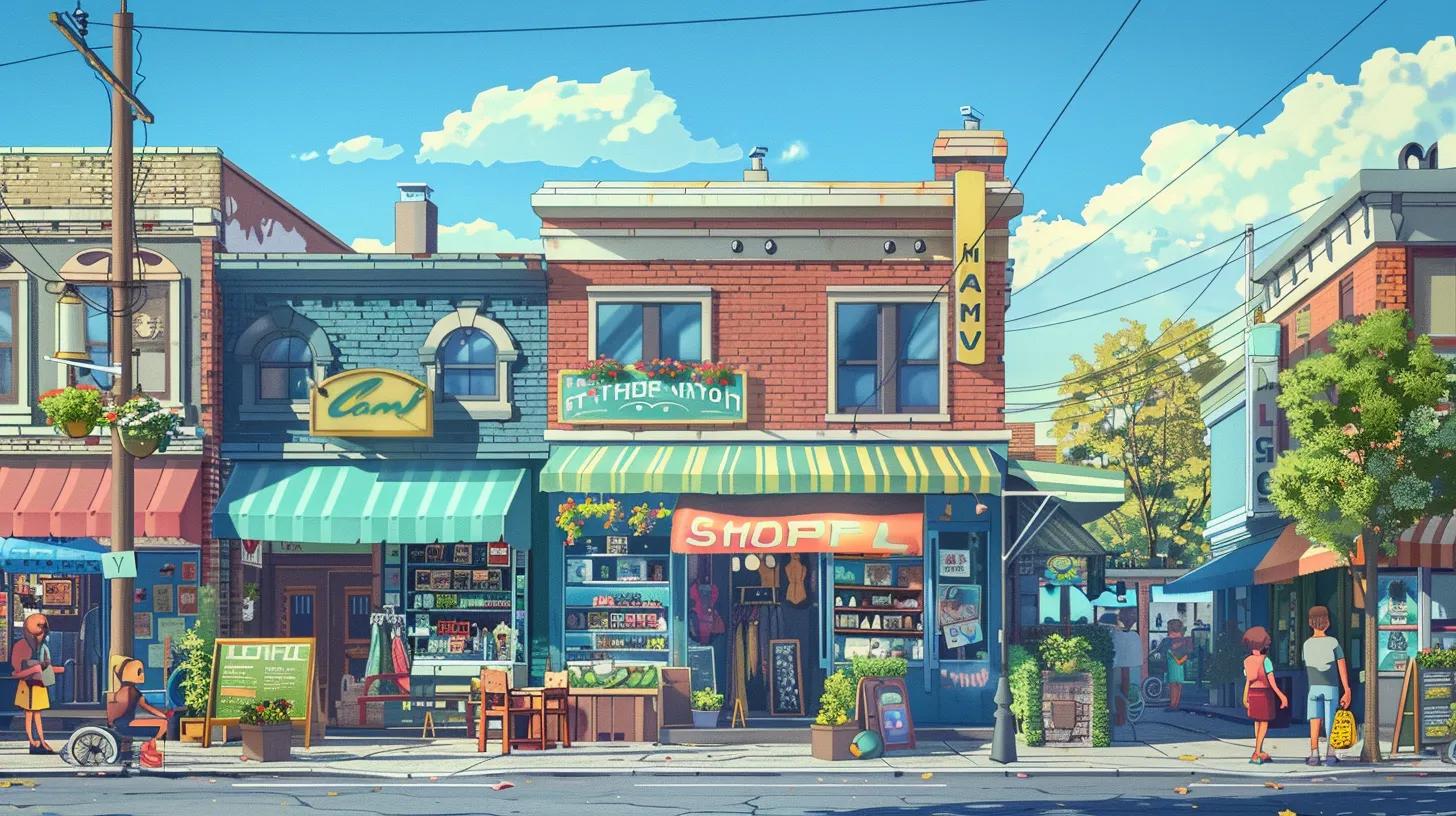
Common offerings at shopping centers include:
- Grocery Stores: For everyday food and household essentials.
- Clothing Retailers: Fashion and basics for all ages.
- Restaurants and Cafés: Spots to eat, meet and socialize.
Beyond convenience, shopping centers can serve as community anchors—places where people run errands, meet friends and attend local events.
How Do Shopping Districts Impact Community Convenience and Walkability?
Well-designed shopping districts make it easy to walk or bike to errands, reducing the need for long drives and supporting healthier habits. Compact retail areas increase street life, encourage casual encounters and often host markets or festivals that bring neighbors together. A focus on comfort, convenience and attractive design makes these districts more usable for people of all ages.
Studies emphasize that comfort, convenience and aesthetics play a key role in making cities more walkable and improving quality of life, especially for older adults.
Walkability, Convenience & Quality of Life in Age-Friendly Cities
This study looks at how comfort, convenience and aesthetics mediate the relationship between age-friendly built environment features and outcomes like higher physical activity, greater socialization and improved quality of life among older adults. The findings underline the importance of designing walkable, pleasant urban environments for healthy aging.
How walkable are our cities for older adults? Mediation of comfort, convenience, and aesthetics, A Rao, 2026
How to Use Neighborhood Services Guides to Discover Essential Community Facilities?
Neighborhood service guides are practical tools for finding local parks, shopping centers and other community resources. These guides can point you to nearby libraries, community centers, health services and more—helping you navigate local options quickly and confidently.
What Community Services and Facilities Should You Know About?
Useful community services and facilities include:
- Public Libraries: Free access to books, programs and meeting spaces.
- Community Centers: Recreational programs, classes and social services.
- Health Services: Clinics, wellness programs and local health resources.
Knowing where these resources are located and what they offer helps you make the most of local services and strengthens community connections.
How Does Transportation and Accessibility Affect Access to Amenities?
Transportation and accessibility shape how easily people reach community amenities. Reliable public transit, safe sidewalks and protected bike lanes extend access to parks and shopping areas. Walkable streets and good last-mile connections make daily trips simpler and encourage active transportation instead of car dependence.
What Are the Best Area Recreational Spots for Outdoor Activities and Events?
Recreational spots host outdoor activities and community gatherings—everything from weekend sports to seasonal farmers’ markets and concerts. These spaces support both casual recreation and organized events that bring neighbors together.
Which Recreational Facilities Support Active Lifestyles and Community Engagement?

Facilities that encourage activity and social connection include:
- Sports Complexes: Fields and courts for team and individual sports.
- Nature Reserves: Trails for hiking, birdwatching and quiet recreation.
- Community Parks: Flexible spaces for markets, concerts and family outings.
These venues promote fitness, provide programming for residents, and create opportunities for neighbors to gather.
How Can Interactive Maps and Reviews Help You Choose Local Amenities?
Interactive maps and user reviews give practical, up-to-date information about the quality and accessibility of parks, shops and services. Maps help you plan routes and estimate distances, while reviews offer firsthand insights into what to expect—making it easier to find the right places for your needs.
Frequently Asked Questions
1. How can I find community events happening in my area?
You can discover community events by checking local newsletters, social media pages of community centers, and local government websites. Many parks and recreational facilities also maintain calendars of events for activities such as sports matches, farmers' markets, and concerts. Engaging with neighborhood groups and forums can provide additional insights and recommendations on upcoming happenings.
2. Are there any resources for families with children with disabilities in local parks?
Yes, many local parks have begun implementing inclusive playground designs that accommodate children with disabilities. Resource centers and nonprofit organizations dedicated to inclusive play can provide information on accessible parks. Locally, parents can benefit from connecting with community groups focused on accessibility issues, where they can share experiences and recommendations.
3. What should I consider when choosing a neighborhood for park access?
When selecting a neighborhood, consider the proximity and quality of parks, available amenities, safety of walking paths, and the overall walkability of the area. Reviewing local demographics and community engagement can also provide insight into how parks are used and valued. Speaking to local residents can give you firsthand information about their experiences living in the area.
4. How do local parks impact community health?
Parks promote community health by providing spaces for physical activity, which can reduce health risks associated with sedentary lifestyles. They also foster social connections among residents, which is crucial for mental and emotional well-being. Studies have shown that people living near green spaces are more likely to engage in outdoor activities, enhancing overall community health outcomes.
5. Can I use public transport to visit parks and shopping districts?
Yes, most urban areas offer public transport options that provide access to parks and shopping districts. Check local transit websites to find routes and schedules that connect you to these amenities. Buses and trains often have stops near popular parks, and many communities are improving connections through reliable transit systems to enhance accessibility to these resources.
6. What features should I look for in an ideal community park?
An ideal community park should have accessible walking paths, safe playgrounds for children, ample green space for relaxation, and areas designated for sports or organized activities. Also, consider the presence of amenities such as restroom facilities, seating areas, and picnic spaces, as well as if the park hosts regular community events or programs that foster engagement.
7. How often are community service guides updated to reflect local changes?
Community service guides are generally updated annually or biannually, particularly in response to significant changes like new facility openings or closures. Local government websites, libraries, and community organizations often have the latest versions. It’s advisable to check these resources regularly to stay informed about updates to services, locations, and new community offerings.
About The Author
Eunice Johnson is a dedicated real estate professional with Homes365, bringing extensive knowledge of neighborhood amenities and lifestyle benefits to her clients. Eunice specializes in helping homebuyers and residents discover the local community features that enhance daily living, including parks, shopping centers, and essential services. With her expertise, Eunice provides valuable insights to support informed decisions and foster vibrant community connections.
Explore more about neighborhood amenities and housing options on the Homes365 Blog.
Contact Us
Have questions or want to learn more about local community facilities? Reach out to Eunice Johnson at Homes365:
- Phone: (571) 261-7400
- Email: [email protected]
- Bookings: Schedule a Meeting with Eunice
Conclusion
Locating nearby parks, shops and community services makes everyday life easier and helps build stronger neighborhood connections. Use neighborhood guides, interactive maps and local reviews to explore what’s around you—then get out and try the parks, shops and events that fit your routine. Start exploring today, and discover the local spots that make your community feel like home.