Tysons Corner Neighborhood & Transit Guide — Real Estate, Commute, and Community Insights
Tysons Corner Neighborhood & Transit Guide — Real Estate, Commute, and Community Insights
By Eunice Johnson, Homes365
Tysons Corner sits at the crossroads of urban energy and suburban convenience in Northern Virginia. This Tysons neighborhood guide walks you through Tysons Corner real estate options, market patterns, and what living here costs, plus the Tysons transit access choices that shape daily life. Whether you're moving in, investing, or just researching, think of this as your Tysons Corner microguide — practical context on housing types, commuting, and community amenities to help you make clearer decisions in Tysons Corner's fast-moving market.
Once a rural section of Fairfax County, Tysons Corner has been reshaped over decades into a dense commercial and residential center — a change driven largely by deliberate development plans and transit investments.
Tysons Corner Transit-Oriented Redevelopment & Future Planning In the 1950s, Tysons Corner was a rural area of Fairfax County, VA. Today, it is the nation's 12th largest collection of commercial and office space, and the textbook example of “Edge City” suburban sprawl. Throughout its history, development in Tysons closely resembled Logan and Molotch's growth machine thesis. Over the past two years, a radically different future has been planned for Tysons with the arrival of the Dulles Metrorail and the drafting of a new Comprehensive Plan. Visions of the Future as Spaces of Engagement: The Political Economy of Transit-Oriented Redevelopment in Tysons Corner, VA., 2010
Key Takeaways
- Tysons Corner evolved from rural land to a major commercial and mixed-use hub in Northern Virginia.
- Housing ranges from single-family homes to multifamily investments and modern condos, serving a broad mix of residents.
- Demand from professionals — especially in tech and related sectors — keeps prices competitive.
- Cost of living is above the national average, driven largely by housing and related expenses.
- Public transit options include the Washington Metro, Virginia Railway Express, and multiple bus routes for regional travel.
- Major roads like I-495, I-66, and Route 7 provide critical links to neighboring areas.
- The neighborhood offers extensive retail, dining, parks, and recreation that support everyday life.
- Local events, organizations, and services help build community and connect residents to resources.
- First-time buyers can access Fairfax County and regional programs that ease entry into the market.
These highlights summarize the article’s practical points. Read on for deeper detail on housing types, commute options, buyer programs, and steps that help residents and investors navigate Tysons Corner.
Real Estate Insights
Tysons Corner’s housing market is notable for its variety and market momentum. Understanding the available property types, current trends, and living costs is essential for households and investors weighing opportunities here.
Below we expand on market dynamics with concrete examples and actionable considerations for different buyer profiles: first-time buyers, move-up buyers, downsizers, investors, and affluent purchasers seeking luxury residences. Each group will face distinct priorities — affordability and assistance for first-time buyers, room and school access for families, low-maintenance living for downsizers, cash flow or appreciation potential for investors, and exclusive services and prestigious properties for luxury buyers.
Housing Options
Tysons Corner accommodates different lifestyles with several common housing choices:
- Single-Family Homes: Best for families seeking larger living spaces and neighborhood stability. These homes are typically located in nearby residential neighborhoods rather than within the dense mixed-use cores, offering yards, more bedrooms, and proximity to schools and parks. When evaluating single-family options, prioritize commute trade-offs and property upkeep costs.
- Multi-Family Properties: Attractive to investors for rental income and portfolio diversification. Multi-family opportunities range from small duplexes to larger apartment buildings in the broader Fairfax County market. Investors should review local zoning, landlord-tenant rules, and projected operating expenses to estimate net returns and vacancy risk.
- Condos: Popular with professionals and downsizers who want low-maintenance living and building amenities. Condominiums often include concierge services, fitness centers, and easier access to transit nodes. When shopping condos, pay close attention to homeowners association (HOA) fees, reserve fund status, and any upcoming capital assessments that can materially affect monthly costs.
- Luxury Residences and High-Rise Penthouses: Designed for affluent purchasers and executives, these properties offer premium finishes, expansive views, and exclusive amenities such as private elevators, rooftop terraces, and valet parking. Located predominantly in Tysons’ tallest towers and most prestigious buildings, they combine sophisticated urban living with proximity to key commercial and cultural hubs. Dedicated luxury property buying representation can provide tailored support in sourcing off-market listings, negotiating premium transactions, and securing privacy and discretion throughout the purchasing process.
That range makes Tysons a flexible market — appealing to buyers, renters, and investors with varied priorities. When choosing a housing type, map your priorities (commute time, space, maintenance, investment horizon, or lifestyle preferences) and match those to available neighborhoods and building types.
Market Trends
Strong employment nearby and continued corporate presence are fueling demand. The result is upward pressure on values and quicker sales cycles. Buyers should be prepared to move decisively when a well-priced property appears.
For sellers, this market often supports confident pricing and targeted upgrades that improve sale velocity and net proceeds. Practical seller improvements include minor kitchen or bath refreshes, neutral paint, decluttering, and professional photography. For buyers, speed and preparedness matter: obtain pre-approval, identify must-haves vs. nice-to-haves, and work with an agent familiar with Tysons to identify inventory and offer strategies.
Investors should monitor rental market signals, local permitting trends, and potential redevelopment projects that could alter supply. Long-term investors often focus on locations near transit nodes and mixed-use centers where demand for rentals tends to be steadier.
Cost of Living
Living costs in Tysons tend to exceed national averages. Higher home prices, local taxes, and day-to-day expenses contribute to that gap, though many residents consider the neighborhood’s amenities and job access a worthwhile trade-off.
Key components that shape cost of living include housing payments (mortgage or rent), property taxes and HOA or condo fees, utilities, childcare, and transportation. For prospective residents, it helps to create a 12-month budget that estimates all recurring costs and seasonal expenses (heating/cooling, insurance, property maintenance). Comparing that budget to your target savings and discretionary spending goals clarifies affordability beyond a headline price or rent figure.
For renters and homeowners alike, mitigation options include targeting properties slightly further from the central core, using transit instead of owning multiple vehicles, and exploring county programs for tax relief or other assistance if eligible.
Transportation Insights
How you get around is a defining feature of life in Tysons. Multiple transit modes and major highways shape commuting patterns and daily convenience.
Consider commute time, parking availability, and first/last-mile options when choosing where to live in Tysons. Proximity to a Metro station or a frequent bus corridor can shorten daily travel and reduce reliance on personal vehicles for routine errands and social activities.
Public Transit Availability
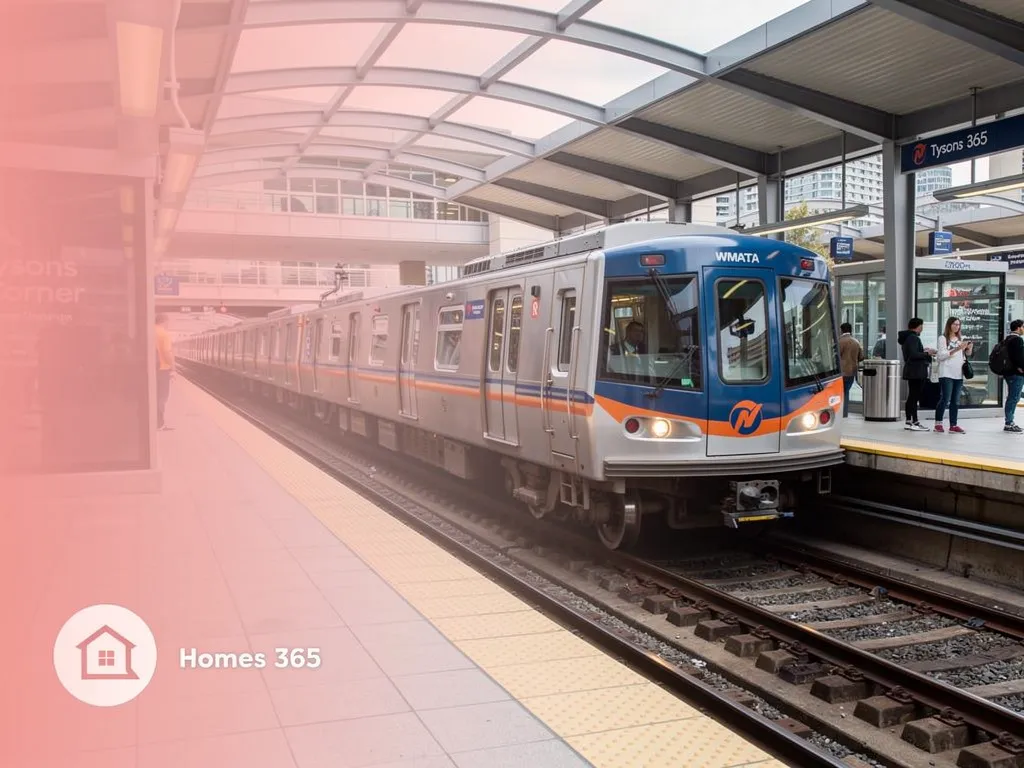
Tysons benefits from strong transit links: the Washington Metro connects residents to D.C. and the region, while the Virginia Railway Express and a network of bus routes extend regional reach. These options make it easier to commute without relying solely on a car.
Practical transit considerations include service hours, peak and off-peak frequency, fare structures, and station access. If you plan to use transit regularly, test a typical commute during rush hour so you can assess total door-to-door time. Also evaluate station amenities such as covered entrances, elevator access, and nearby bike or scooter parking that help with first- and last-mile travel.
Major Highways
I-495 (the Capital Beltway), I-66, and Route 7 form the primary road arteries for Tysons residents. They provide direct access to suburban and urban job centers, though peak travel can be congested — a key consideration for commuters.
Commuters who drive should consider flexible work hours, employer commuter benefits, or park-and-ride locations that reduce daily stress and fuel costs. Carpooling, using express lanes where available, and monitoring live traffic tools are practical ways to trim commute time in congested periods.
Accessibility Features
The area incorporates parks, sidewalks, and transit-adjacent developments designed to improve access for residents of all ages and abilities. Proximity to stations and mixed-use centers helps reduce car dependency for many daily needs.
Accessibility features to evaluate when choosing housing include elevator availability in multi-story buildings, curb ramps and well-lit sidewalks for pedestrian safety, and accessible public transit entrances. If mobility or aging-in-place are priorities, look for ground-floor units or step-free access and confirm building maintenance policies that support long-term livability.
What Are the Key Features of Tysons Corner's Neighborhood and Amenities?
Tysons Corner’s amenities cater to a broad population. Highlights include:
- Shopping Centers: Multiple malls and retail corridors offer extensive shopping choices.
- Dining Options: A varied restaurant scene from casual spots to upscale dining.
- Parks and Recreational Facilities: Public green spaces and community facilities support outdoor life and events.
These features combine to make Tysons both convenient and lively for residents. Beyond shopping and dining, expect a mix of health and wellness services, community centers, and office amenities that create daily convenience.
When evaluating neighborhoods inside Tysons, consider proximity to grocery stores, pharmacies, medical offices, and schools. Ease of access to essential services can meaningfully affect quality of life, especially for families and those who prefer minimizing drive time for errands.
How Does Tysons Corner's Community Lifestyle Support Residents?

Community life in Tysons blends organized events, active local groups, and easy access to schools and health services. That network of amenities and programs helps newcomers connect and long-time residents stay engaged.
Examples of community supports include farmers markets, seasonal festivals, volunteer organizations, and neighborhood associations that coordinate local projects and social programming. Participation in these activities helps new residents integrate more quickly and discover local services and meeting points.
If you are new to the area, start by subscribing to local newsletters, visiting community centers, and attending a few public events to get a feel for different neighborhoods and resident priorities. These activities often reveal which parts of Tysons are most family-friendly, nightlife-oriented, or commuter-focused.
What Transit Options Are Available in Tysons Corner for Commuters?
Commuters here can choose from several transit modes that support travel to work and leisure destinations across the region.
In addition to rail and bus service, consider mixed-mode commutes for flexibility: park-and-ride to a rail station for the bulk of a commute, then use a ride-hail or bike for final access. Employers often provide pre-tax transit benefits and shuttles that further reduce commuting costs.
How Does Tysons Corner Metro Access Facilitate Regional Connectivity?
Metro stations in Tysons link residents directly to major employment centers throughout the D.C. area, expanding job choices and simplifying commutes for those who rely on public transit.
For many riders, rail access reduces commute variability compared with driving and can increase usable time during travel. If you work in a downtown or cross-jurisdiction role, living near a reliable rail station often pays back in saved time and reduced stress.
What Bus Routes and Bike Paths Serve Tysons Corner Residents?
Complementing rail, local and regional bus routes connect neighborhoods within Tysons and adjacent communities. A growing network of bike lanes and trails provides safe options for shorter trips and recreational riding.
When evaluating bus service, check route schedules for frequency and directness to your regular destinations. For biking, look for protected lanes and continuous trail segments that facilitate safe commuting during peak hours. Many residents use bikes for short trips to transit stations, retail centers, or local parks, which helps reduce local vehicle trips and parking demand.
What Are the Current Housing Market Trends in Tysons Corner?
Several trends shape the local market: steady demand from professionals, limited inventory in certain segments, and steady interest from investors drawn to long-term growth potential.
These influences mean inventory may tighten for certain unit types, such as well-located condos with easy station access or single-family homes in desirable school districts. Watch inventory levels and days-on-market metrics to time offers appropriately and to set realistic listing prices if selling.
How Competitive Is the Tysons Corner Real Estate Market in 2024-2026?
Competition remains strong, particularly for well-located listings and properties priced to reflect market realities. Buyers often face multiple-offer situations and should plan financing and inspections in advance.
To compete effectively, consider including a clear financing plan, a reasonable inspection contingency timeline, and a personal letter when appropriate. Buyers who can be flexible on closing dates, or who are strategic about contingencies, sometimes gain an advantage in competitive situations.
What Investment Opportunities Exist in Tysons Corner Housing?
Investors find opportunity in rental properties, multifamily conversions, and long-term holdings due to Tysons’s central location and ongoing commercial activity. As always, evaluate cash flow, vacancy risk, and local regulations before committing.
Investment strategies vary: short-term rental models (where allowed), long-term leases, and value-add renovations each have different operational demands and return profiles. Conduct scenario analyses that include conservative vacancy estimates and realistic maintenance costs to understand potential returns under varying market conditions.
Local market knowledge is particularly valuable: understanding where rent premiums exist (for proximity to transit, newer building amenities, or school districts) can guide acquisition decisions and renovation priorities.
How Can First-Time Buyers Benefit from Programs in Northern Virginia?
First-time buyers can tap regional programs designed to reduce upfront costs and improve loan accessibility, which can make buying in Tysons more achievable.
Common program types include down payment assistance, low-interest loans for eligible buyers, and counseling services that prepare applicants for homeownership responsibilities. Researching eligibility criteria and timing applications relative to a home purchase is critical to maximize benefit access.
What Financing Options and Grants Are Available for First-Time Buyers?
Available resources commonly include down payment assistance, favorable loan products, and local grants. These programs vary by eligibility and funding, so check current offerings through Fairfax County and state housing agencies.
When assessing programs, compare the long-term cost implications — for instance, some assistance may require repayment under certain conditions or have income limits that affect future eligibility. Consult a lender or housing counselor to model how assistance affects monthly payments and total cost over time.
How Do You Qualify for Tysons Corner and Fairfax County Buyer Programs?
Qualification typically depends on income thresholds, credit standing, and documentation of household finances. Prospective applicants should prepare proof of income, credit history, and any required personal information to support applications.
Typical documents you should have ready include recent pay stubs, tax returns, bank statements, W-2s, and a government-issued ID. Working with an experienced local lender or housing counselor can streamline the application process and ensure applications are accurate and timely.
What Are the Typical Closing Costs and Transaction Steps in Tysons Corner?
Understanding closing expenses and the transaction timeline helps prevent surprises when buying or selling.
Closing costs can add several percentage points to the purchase price. Key categories commonly include lender fees, title and escrow charges, taxes and prorations, and any seller concessions or credits negotiated in the contract. Budgeting for closing early in the process reduces last-minute financing stress.
How Are Closing Costs Calculated in Fairfax County Real Estate Deals?
Closing costs vary with the property price and deal specifics. Typical items include title insurance, appraisal and inspection fees, recording fees, and any attorney or escrow charges. Buyers should budget for these line items early in the process.
Exact amounts depend on the lender, the negotiated terms, and whether the buyer or seller covers particular fees. Review the Loan Estimate and Closing Disclosure carefully; these documents outline expected costs and help you compare loan offers effectively.
What Are the Key Stages from Pre-Approval to Closing in Tysons Corner?
The typical process moves from mortgage pre-approval to offer, inspections and appraisal, then to final loan approval and closing. Local agents and lenders can outline timelines and help keep each step on track.
A recommended timeline includes: (1) secure pre-approval, (2) search and make offers, (3) execute contract and open escrow, (4) complete inspections and negotiate repairs if needed, (5) finalize financing and appraisal, and (6) attend closing and transfer possession. Each stage has milestones and common pitfalls; an experienced agent helps manage deadlines and contingency dates to prevent delays.
How Does Working with Local Agents Like Eunice Johnson Enhance Your Tysons Corner Experience?
Partnering with a local agent brings neighborhood knowledge, negotiation experience, and practical guidance through Tysons’s unique market conditions.
A skilled local agent can provide market comparables, advise on pricing strategies, identify properties that match both stated and unstated needs, and coordinate inspection and closing timelines. They also act as a liaison to lenders, title companies, and other professionals who keep a transaction moving smoothly.
What Services Does Homes365 Provide for Tysons Corner Buyers and Sellers?
Homes365, led by Eunice Johnson, supports buyers and sellers with personalized buying and selling services, investment guidance, and relocation assistance. Their local market insight and hands-on support help clients move confidently through each stage of a transaction.
Typical services that buyers and sellers value include targeted property searches, comparative market analyses to set listing prices, marketing plans for sellers, negotiation support, coordinated inspections, and problem-solving at each stage of the sale or purchase. If you’re relocating, a full-service agent can also connect you to community resources, preferred lenders, and service providers to ease the transition.
About The Author
Eunice Johnson is a seasoned real estate professional with over 15 years of experience specializing in the Northern Virginia market. As the lead agent at Homes365, Eunice combines deep local knowledge with a client-focused approach to help buyers, sellers, and investors navigate the complexities of the Tysons Corner area. Her expertise spans residential sales, investment properties, and relocation services, making her a trusted advisor for a diverse range of clients. Eunice is committed to providing personalized guidance, market insights, and strategic support to ensure successful real estate outcomes.
Conclusion
Tysons Corner offers a compelling mix of housing choices, transit access, and neighborhood amenities that appeal to residents and investors alike. By understanding local market dynamics, transit options, and available buyer programs, you can make more informed choices about living or investing here. Explore our resources or connect with a local expert to learn how Tysons can fit your goals.
Next steps: if you are considering a move, start with a local market consultation, obtain mortgage pre-approval if financing, and plan a few visits to target neighborhoods at different times of day. For investors, run conservative financial models and confirm local regulatory and rental guidelines. For first-time buyers, enroll in counseling or speak with a lender to map eligibility for assistance programs.
Whether you prioritize commute time, neighborhood amenities, investment upside, or luxury living, Tysons Corner’s mix of transit-oriented development and suburban infrastructure creates options for many household types. Use this guide as a starting point and consult local professionals to tailor decisions to your personal goals and timeline.
Ready to Explore Tysons Corner?
Whether you're picturing yourself in a high-rise condo or a family home near the Metro, the best next step is seeing it in person. Schedule a tour of available Tysons Corner properties with Homes365, or if you'd rather start from your couch, Request a virtual visit and we'll walk you through listings that match what you're looking for.
Reach out to Eunice Johnson and the Homes365 team whenever you're ready — we're here to make your next move in Tysons Corner feel simple and well-supported.
Contact Us
📧 Email: [email protected]
📞 Phone: +1 (571) 261-7400
We'd love to help you find your place in Tysons Corner — reach out anytime.